
Is it better to invest in Florianópolis or Mar del Plata? Cost and profitability comparison
Florianópolis averages approximately 1,200 USD/m² versus 600 USD/m² in Mar del Plata for mid-market properties. Tourist rental returns in Floripa run 4-5% net annually (versus 3-4% in Mar del Plata), but Floripa requires greater initial capital and offers exposure to a more stable currency. The decision depends on whether you're primarily seeking rental income or international diversification and currency hedging.
Recently a client asked me something I hear more and more: "Catalina, why should I move to Floripa if I have Mar del Plata 400km away?" I took my second coffee (I still prefer Buenos Aires espresso, I'll admit it) and decided to be honest with the numbers.
The initial shock: what you see vs. what you live
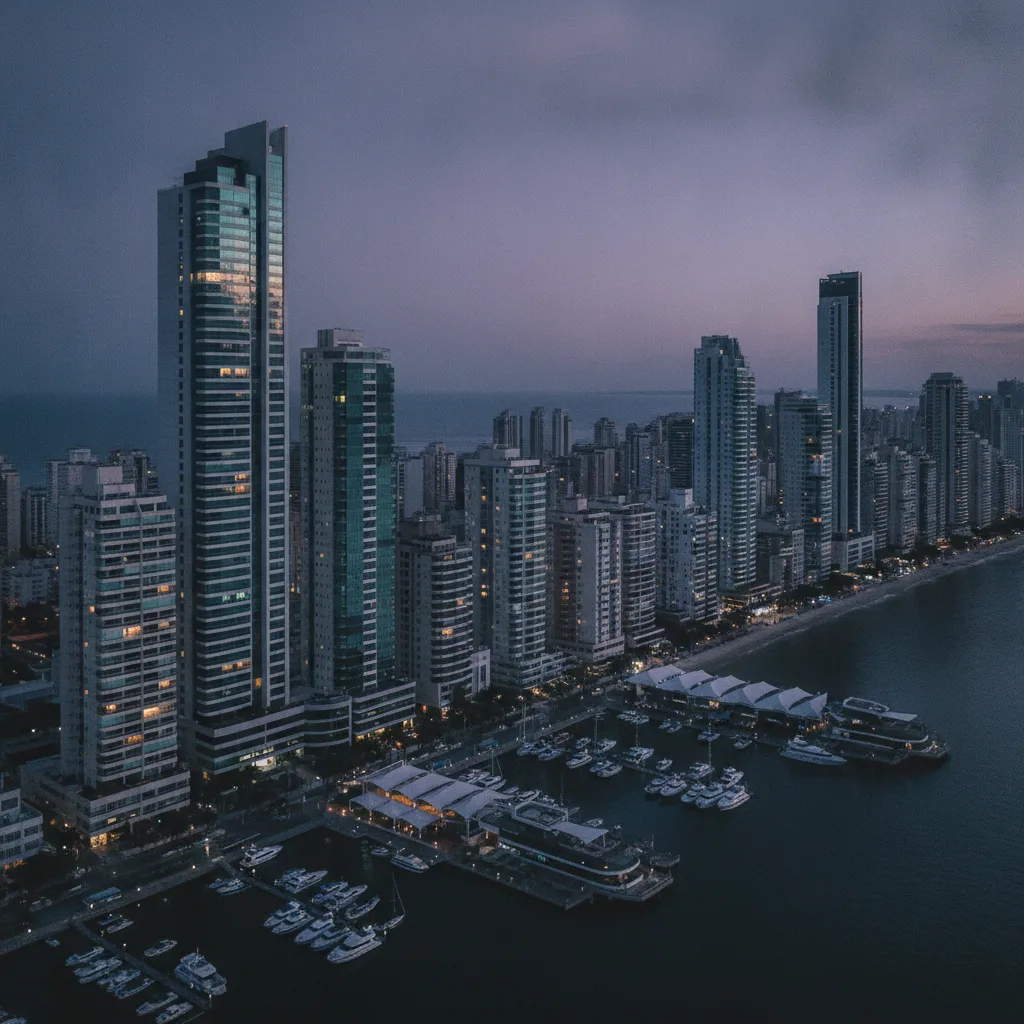
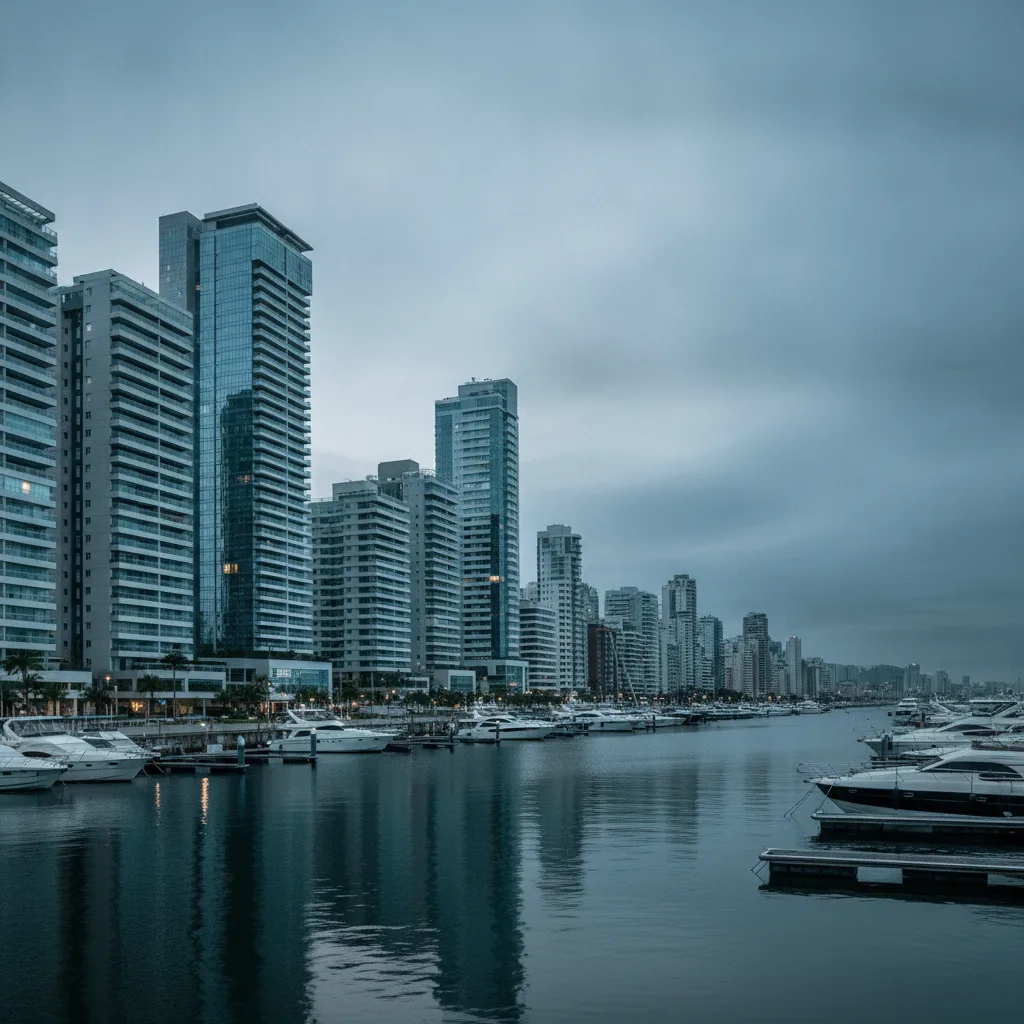
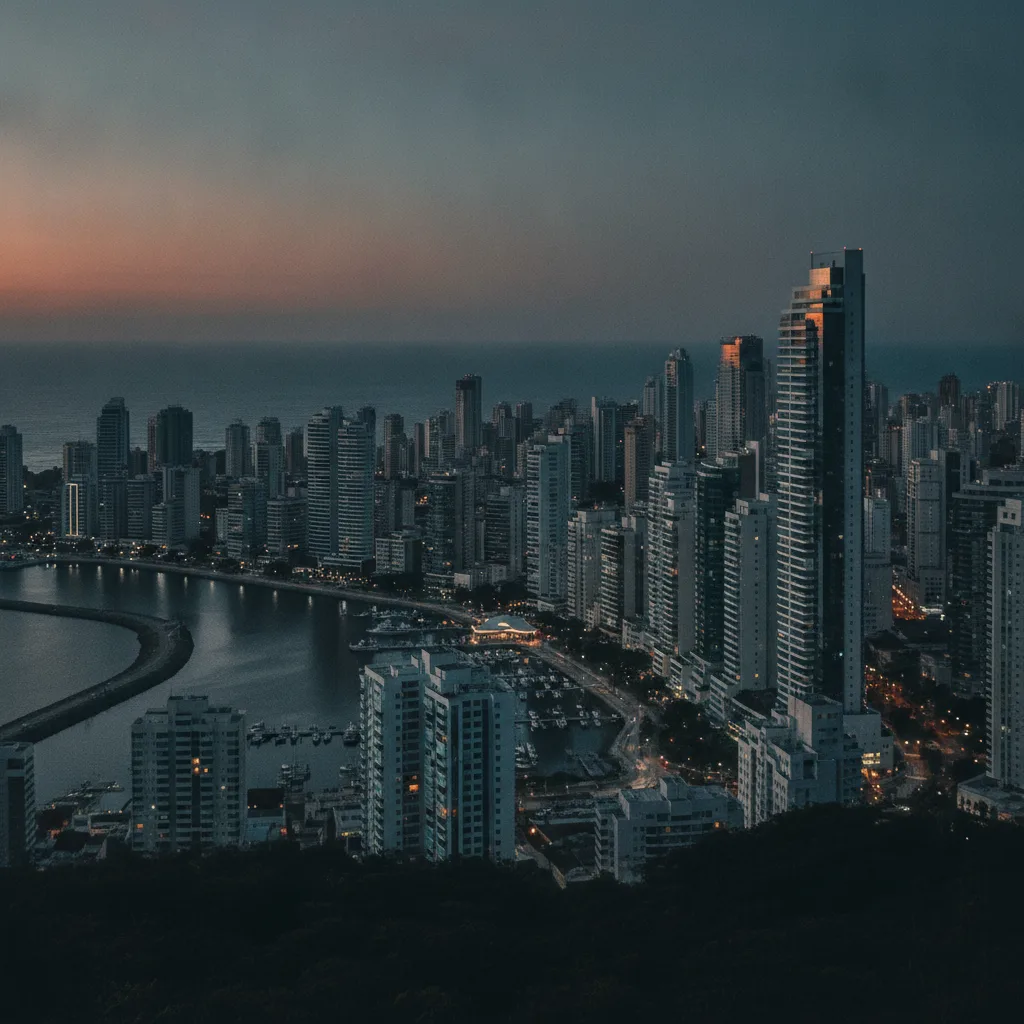
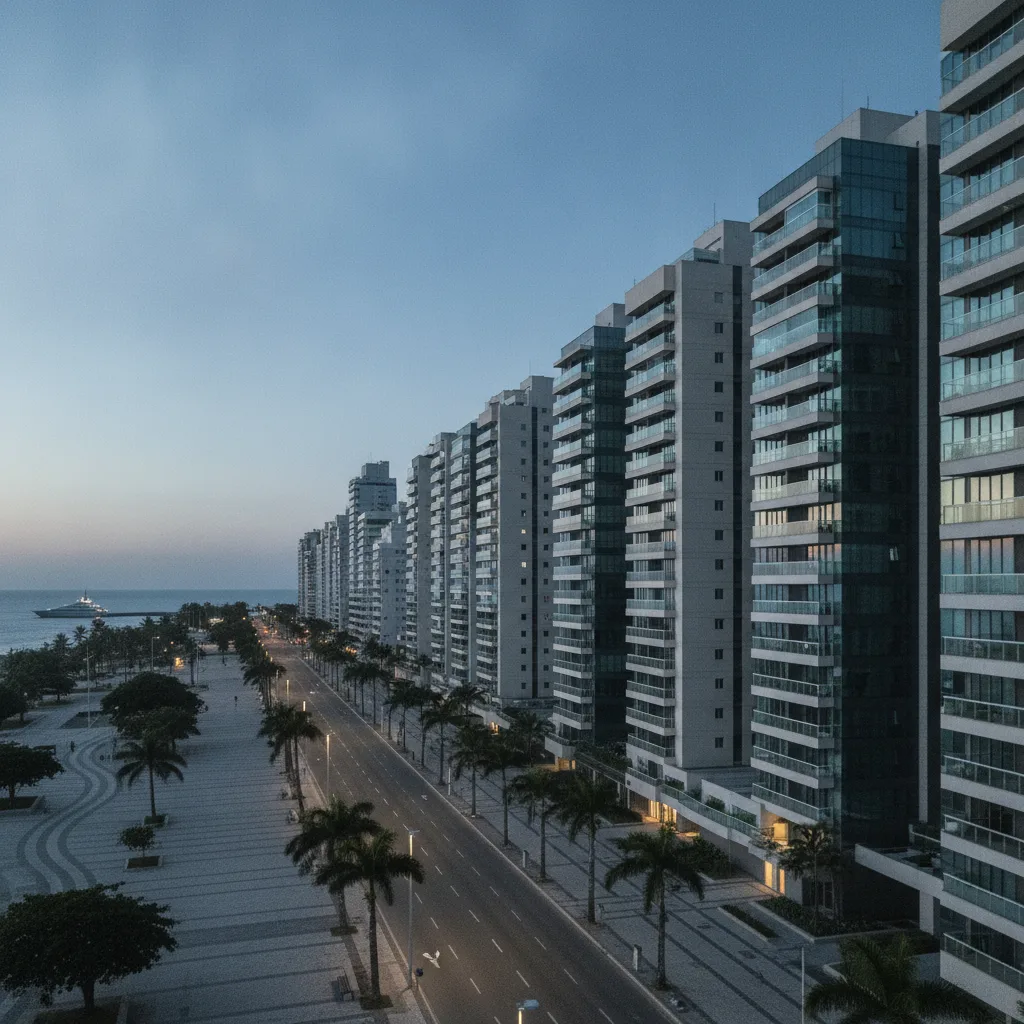
When I arrived in 2019, I expected a small fishing town with some luxury apartments. What I found was a skyline that reminded me of Punta del Este, but with 15 more years of intensive development. Balneário Camboriú especially — nearly 300 meters of coastline with endless towers — was a shock.
But here's what matters: Mar del Plata has approximately 600 USD/m² in the mid-market segment, while Floripa averages 1,200 USD/m² for similar properties (current BCB conversion). Yes, it's double. The question is: what do you get for it?
Climate: where Floripa doesn't lie
This is where the numbers become uncomfortable for Argentines. Florianópolis has 27°C average in summer and 19°C in winter. Mar del Plata: 22°C in summer, 10°C in winter. It's not bad, but it's different.
For my portfolio of Argentine clients, this matters because it impacts Airbnb profitability. The short seasons in Mar del Plata (December–February, maybe March) versus Floripa tourism that runs almost year-round generate occupancy differentials. We typically see 4-5% net annual in Floripa versus 3-4% on the Argentina Coast.
Infrastructure: it's not just beaches
Here comes what my clients didn't expect: Florianópolis is a real gateway to Brazil. Federal universities, startup hub in Santa Catarina (what they call "Silicon Island"), top-tier private healthcare services, and an airport that connects you to São Paulo in 1 hour.
Mar del Plata is nice. It's quiet. But it remains a tourist destination in Argentina. The structural difference is enormous when we talk about long-term residence, not just property ownership.
The real cost of living
Here people get it wrong. Floripa is NOT cheaper than Mar del Plata for daily life. A good restaurant, maintenance service, private schools — everything costs more. The supermarket too. Housing on the market is expensive.
But — and this is crucial — your money in Floripa is in a currency that appreciates against the peso. The real has been more stable. For you as an Argentine with USD exposure, living in an asset denominated in reals is different than living in pesos.
Who does each one work for?
Mar del Plata works if: you want proximity to Buenos Aires, moderate budget (R$500-700k is reasonable here), and you accept that it's extended vacation, not a lifestyle transformation.
Floripa works if: you're looking for a real base in Brazil, you have capital of R$850k and up, you value infrastructure and currency diversification, and you're willing to adapt to a different culture.
My bias: I'll admit it
My mornings running in Campeche, my network of Argentine contacts here, my clients with golden visas in process — all of that makes me bullish on Floripa. But the numbers will tell if it's for you or not.
Numbers don't lie. The question you should ask yourself is: are you investing in real estate or are you investing in a country?