
How can I protect my savings from Argentine peso devaluation by investing in Brazilian property?
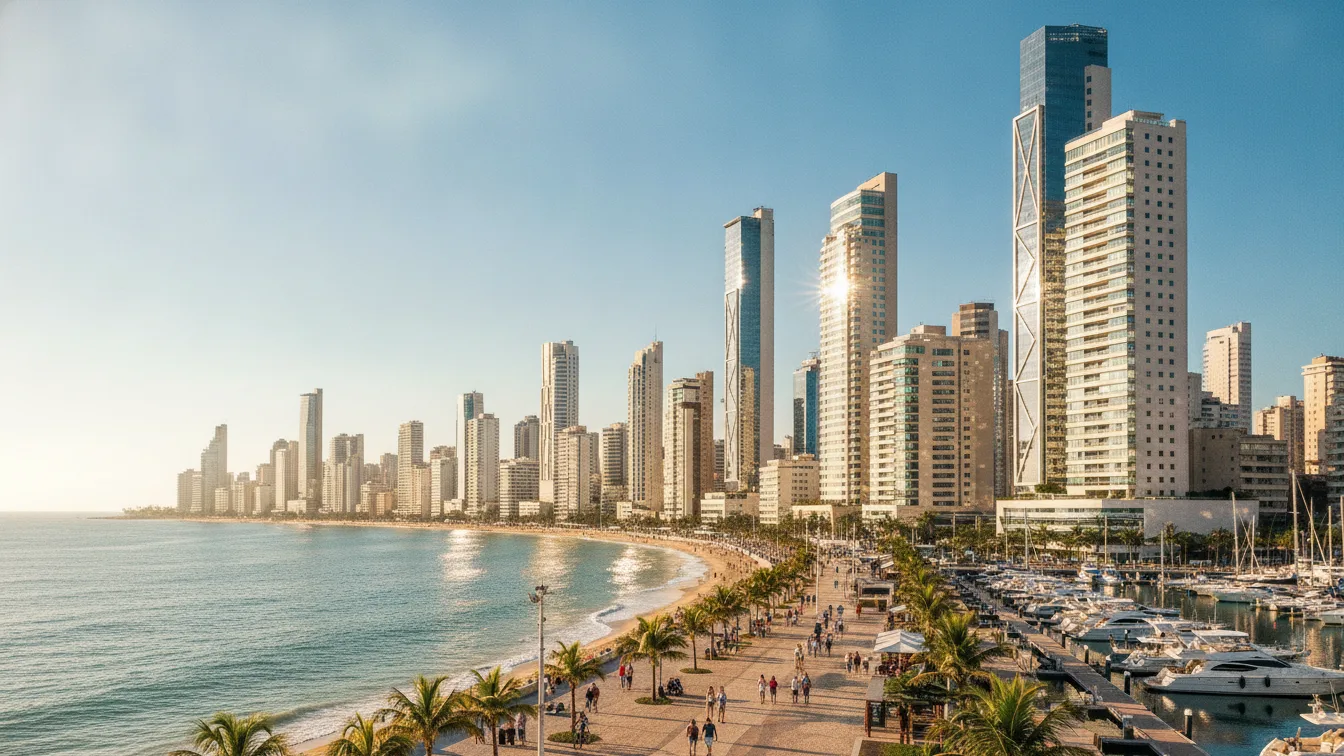
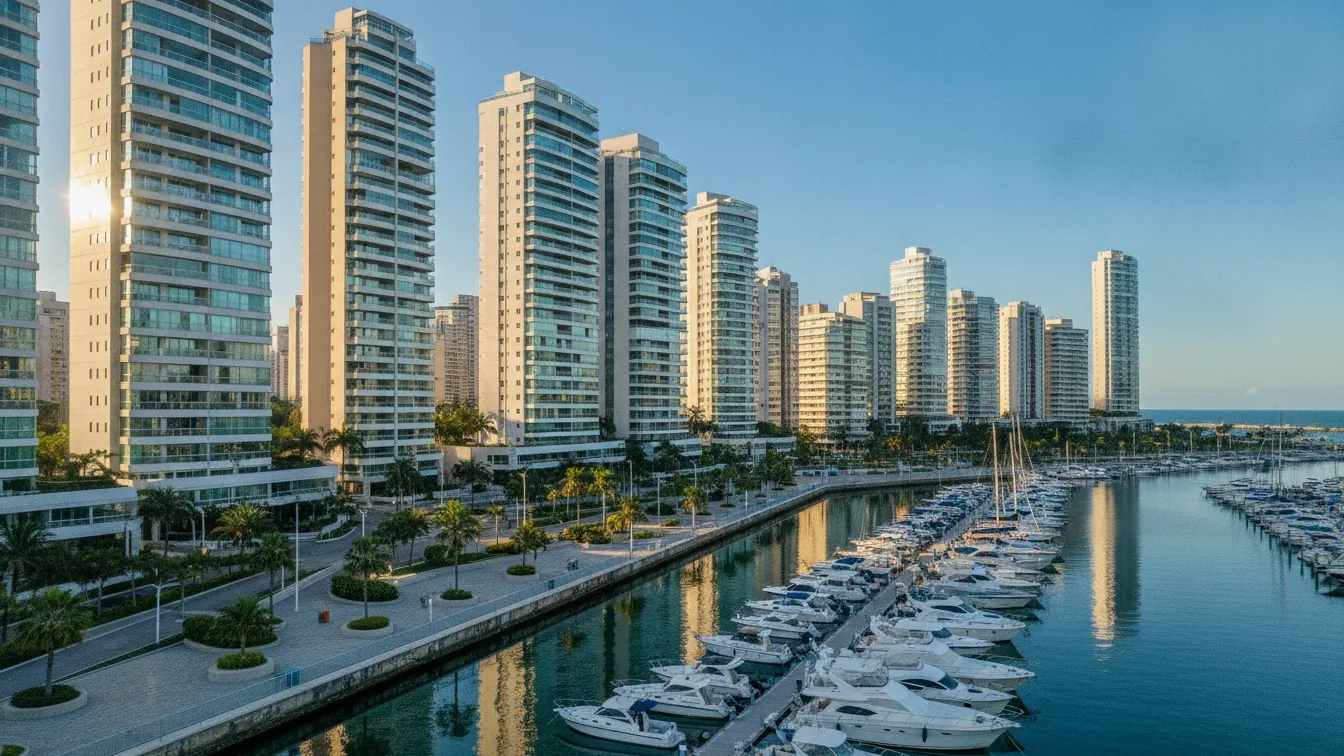
Brazilian real estate offers Argentine investors a natural currency hedge because properties are denominated in reais, which have historically held value more stably than pesos over five-plus-year horizons. Rather than betting on currency movements directly, you acquire a productive asset generating 5–5.5% net rental yields in Florianópolis or Balneário Camboriú, with historical appreciation of 3–7% annually depending on location. This approach sidesteps peso volatility while exposing capital to coastal demand drivers—tech migration and tourism—rather than macroeconomic currency speculation alone. I learned this lesson the hard way during my first year in Florianópolis. A client from Recoleta called me in early 2023 with R$400,000 sitting in a Brazilian bank account—she'd moved it across the border to 'stay safe,' but was terrified of holding cash. Within eighteen months, she'd watched the peso lose another 40% of its value against the real. She finally understood what I'd been saying: the asset itself is the hedge, not the currency.
Los números no mienten. Since 2023, the Argentine peso has devalued over 80% against the US dollar, according to Banco Central de la República Argentina data. By contrast, the Brazilian real has held relatively stable against the dollar over the same period—fluctuating between 4.8 and 5.5 R$/USD, but without the structural collapse we've seen in Buenos Aires. When you convert that volatility to real estate terms, the difference becomes stark.
Why Property, Not Cash?
Holding dollars in Argentina is taxed and monitored. Holding reais in Brazil exposes you to currency risk. But owning a property in real estate-denominated assets in Santa Catarina? That's a different animal entirely. A R$850,000 apartment in Florianópolis (according to our integrated catalog as of June 2026) isn't a currency bet—it's a hard asset. It generates rental income in reais, appreciates with local economic growth, and crucially, it sidesteps the peso's death spiral entirely.
Como siempre les digo a mis clientes: you're not betting on the real. You're betting on silicon migration, tourism demand, and coastal scarcity. Those forces are denominated in assets, not fiat.
The Math That Matters
Let's be direct. An Argentine with R$500,000 (roughly USD 91,000 at current rates, or ARS 15.4 million at official rates) faces two paths:
Path A: Hold pesos. Statistically, you lose 15–20% annually to inflation and devaluation. In five years, your purchasing power against global goods collapses.
Path B: Convert to a property in Balneário Camboriú at R$850,000–1.2M. You lock in a real asset. Rental yields typically run 5–5.5% net annually (per our neighborhood-level analysis). You're earning in reais, which retain value against the dollar better than pesos. Appreciation? Historically 3–5% annually in established zones, though Camboriú's premium coastal tier has performed closer to 6–7% over the past five years.
Over a ten-year horizon, that difference isn't marginal—it's generational wealth.
Off-Plan: The Inflation Hedge Within the Hedge
Here's where it gets interesting for sophisticated investors. Off-plan purchases—buying before construction finishes—lock in today's prices while you pay in installments. Inflation in Brazil typically runs 3.5–4.5% annually. A R$1.2M off-plan property with 40% down and the remainder staggered over three years means your final payment is made in cheaper reais. Meanwhile, the property's completed value has already absorbed two years of inflation gains.
I only recommend this with Tier 1 developers—Tecnisa, MRV, Cyrela—who have proven track records. The risk isn't the developer; it's overextending yourself in a foreign currency. But for an Argentine investor with stable income in dollars or a diversified business? It's a legitimate wealth-building tool.
The Reality Check
Let me be clear about what this isn't. A Brazilian property isn't a get-rich scheme. It's not a short-term trade. If your horizon is two years, stay away. But if you're a professional, a business owner, or an investor with five to ten years ahead of you, and you're nervous about the peso, this is how capital actually moves in your position.
The Silicon Island phenomenon—tech companies and remote workers migrating to Florianópolis and Balneário Camboriú—isn't a bubble. It's structural. Demand for rental apartments is real. Yield compression hasn't hit yet like it has in Miami or Singapore. The price-per-square-metre comparison still favors Brazil: Balneário Camboriú averages R$33,115 per m² versus similar coastal luxury markets globally at 40–60% premiums.
A Question for Your Situation
If you had to bet your family's savings on currency stability over the next decade—the peso or the real—which would you actually choose, and what does that tell you about where your capital should be located?
La inversión inteligente empieza con información. It ends with conviction.