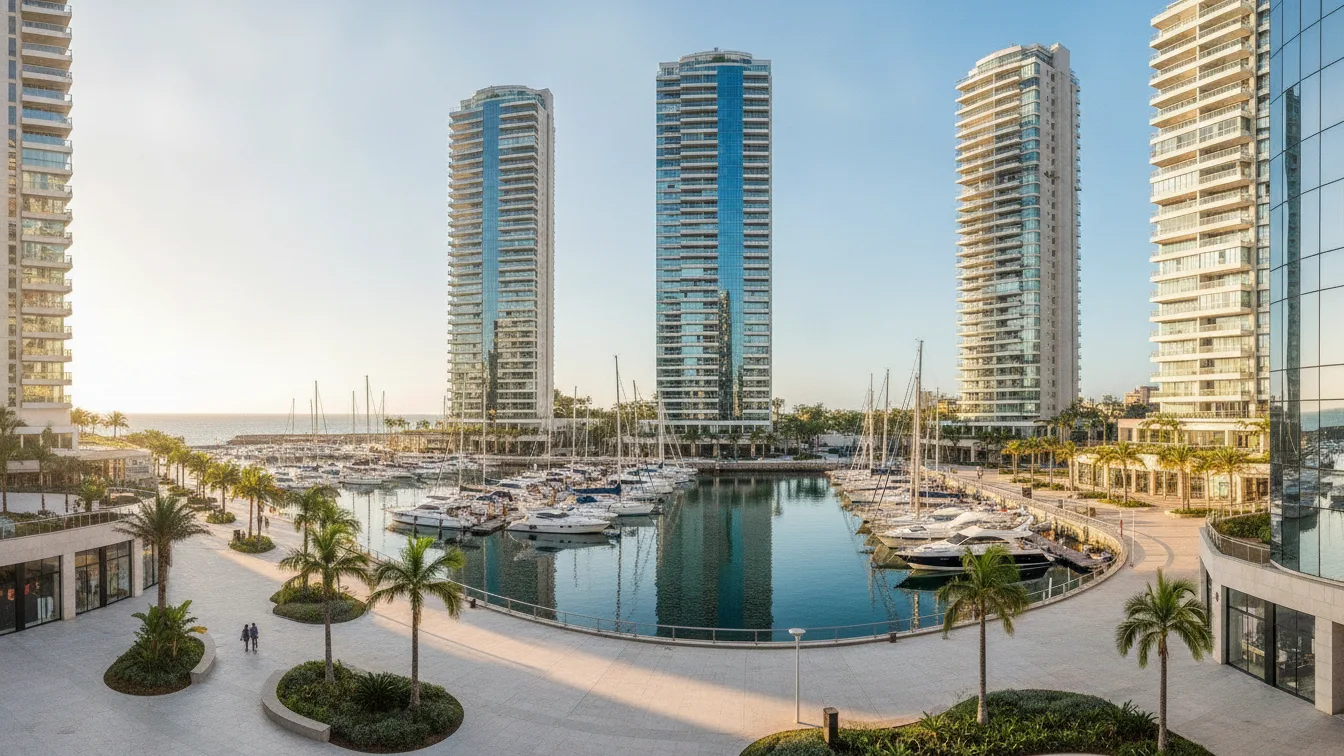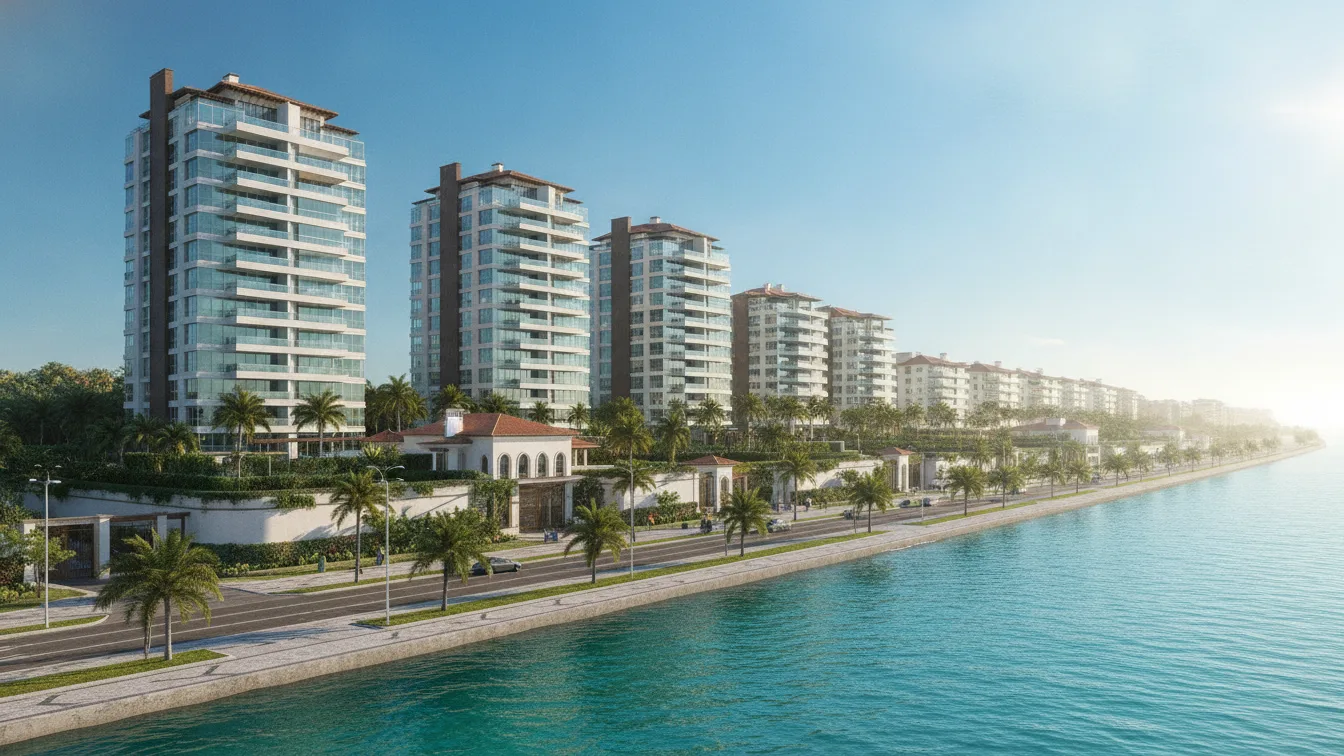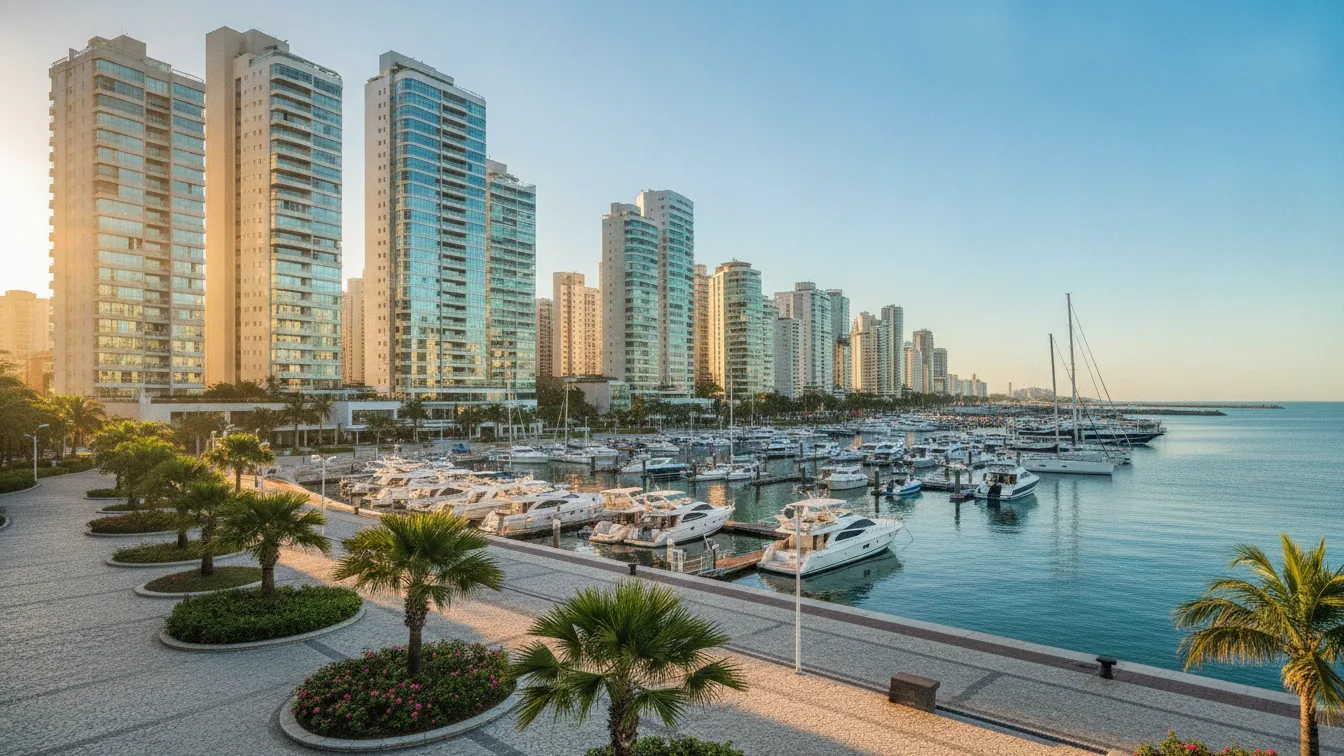
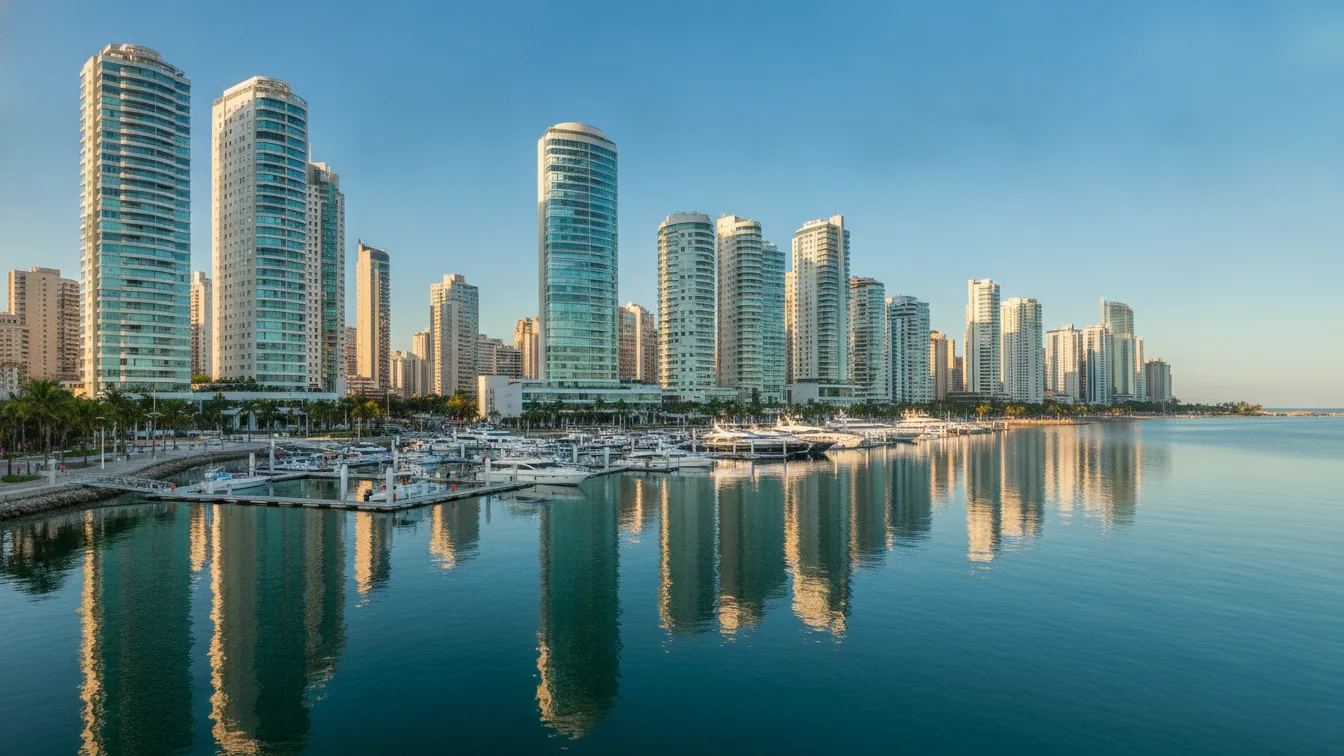

Should I invest in real estate in both Uruguay and Brazil? What is the best diversification strategy for Uruguayan investors?
Diversifying between Uruguay and Brazil allows Uruguayan investors to combine stability and growth: Uruguay serves as a wealth preservation anchor with strong rule of law and measured appreciation, while Brazil offers higher growth potential in markets like Florianópolis and Balneário Camboriú. A balanced allocation—60–70% in Uruguay, 30–40% in Brazil—spreads currency and economic cycle risk while creating dual income streams across two jurisdictions. This approach requires professional property management in Brazil to handle tax coordination and legal compliance, but protects wealth across market cycles.
The Case for Cross-Border Stability
La estabilidad es nuestro mayor activo. This principle has guided my advisory practice since joining Rocks, and it explains why the most prudent Uruguayan investors I know maintain real estate across both Uruguay and Brazil. These are not speculative positions—they are deliberate, long-term anchors designed to weather currency volatility, political shifts, and economic cycles that affect one market differently than the other.
During my five years in private banking in Punta del Este, I managed portfolios for UHNW clients across Argentina, Brazil, and Europe. The pattern was clear: investors who held only Uruguayan assets—however stable—faced concentration risk. Those who diversified across two or three LatAm jurisdictions slept better. They built wealth more steadily. And when regional shocks arrived, they had optionality.
Uruguay: The Fortress. Brazil: The Engine.
Let me be precise: Uruguay and Brazil serve different roles in a diversified strategy. Uruguay is your stability anchor—Rule of law, currency discipline, and political continuity that rank with developed markets. Property appreciation here is measured, typically 3–5% annually in real terms, but the decline is almost non-existent. Punta del Este luxury properties hold their value across decades. Your capital is protected.
Brazil, by contrast, is your growth engine. Yes, the real is commodity-linked and volatile. Yes, regulatory complexity requires professional management. But Brazil's sheer economic scale—it is South America's largest economy by GDP—and the dynamism of coastal markets like Florianópolis or Jurerê Internacional create appreciation potential that Uruguay cannot match. According to Rocks' integrated catalog (as of June 2026), Florianópolis averages R$1,670,000 per property with 168 active listings across all price segments, offering both entry-level and mid-tier opportunities for Uruguayan capital seeking rental yield and long-term appreciation.
The diversification logic: hold 50–70% of your real estate capital in Uruguay as a wealth preservation fortress. Allocate 30–50% to Brazilian coastal markets as a measured growth allocation. This is not speculation. It is prudence.
Currency and Tax Arbitrage
There is also a subtle but important currency argument. The Uruguayan peso (UYU) has historically proven more stable than the Brazilian real (BRL)—both are commodity-linked, but UYU's smaller economy and stronger central bank discipline have created a premium in stability. By holding Uruguayan property, you anchor part of your wealth in the stronger currency. By holding Brazilian property, you generate BRL-denominated rental income that can be reinvested or repatriated when exchange rates favour your home currency.
Tax frameworks differ meaningfully too. Uruguay offers foreign investor stability—transparent property taxes, predictable capital gains treatment. Brazil's tax code is more complex, but foreign buyers enjoy equal ownership rights and can structure acquisitions through SPVs (Sociedades de Propósito Específico) that Brazilian investors use. Professional property management in Brazil becomes non-negotiable to navigate these structures and coordinate filing with both Receita Federal (Brazilian tax authority) and your Uruguayan accountant—typically 7–12% of monthly rental income for comprehensive, compliant management.
The Practical Allocation
Consider a Uruguayan investor with R$750,000 to deploy (roughly USD 150,000—a meaningful but not extreme allocation). A balanced approach: R$450,000–500,000 into a Punta del Este or Montevideo property—a stable hold for 10+ years, modest rental yield, wealth preservation. The remaining R$250,000–300,000 into a Florianópolis apartment or Balneário Camboriú property with stronger seasonal rental income potential. The mathematics favour the long-term holder: two markets, two currencies, two income streams, two regulatory jurisdictions. If one market softens, the other cushions the impact.
El largo plazo siempre gana—the long-term always wins. But the long-term investor who holds assets across borders wins more quietly and sleeps better knowing their wealth is not betting on a single economy, currency, or political cycle.
Where to Begin
Diversificar no es un lujo—es prudencia. If you are a Uruguayan investor with capital ready, the question is not whether to diversify into Brazil, but how and when. Start with markets you can visit, where you have trusted local advisors, and where professional property management is available and affordable. Florianópolis offers entry points for mid-level investors; Balneário Camboriú serves those with larger allocations. Both markets are more accessible to Uruguayan capital than European or North American real estate, and both benefit from the geographic, cultural, and regulatory proximity that makes cross-border management practical.
When you are ready to explore how this strategy might fit your own situation—your capital, your timeline, your risk tolerance—I am here to discuss the options at your own pace. Cuando estén listos, estoy aquí para conversar.