
How does infrastructure affect property values in Santa Catarina, and which developments have the strongest long-term growth potential?
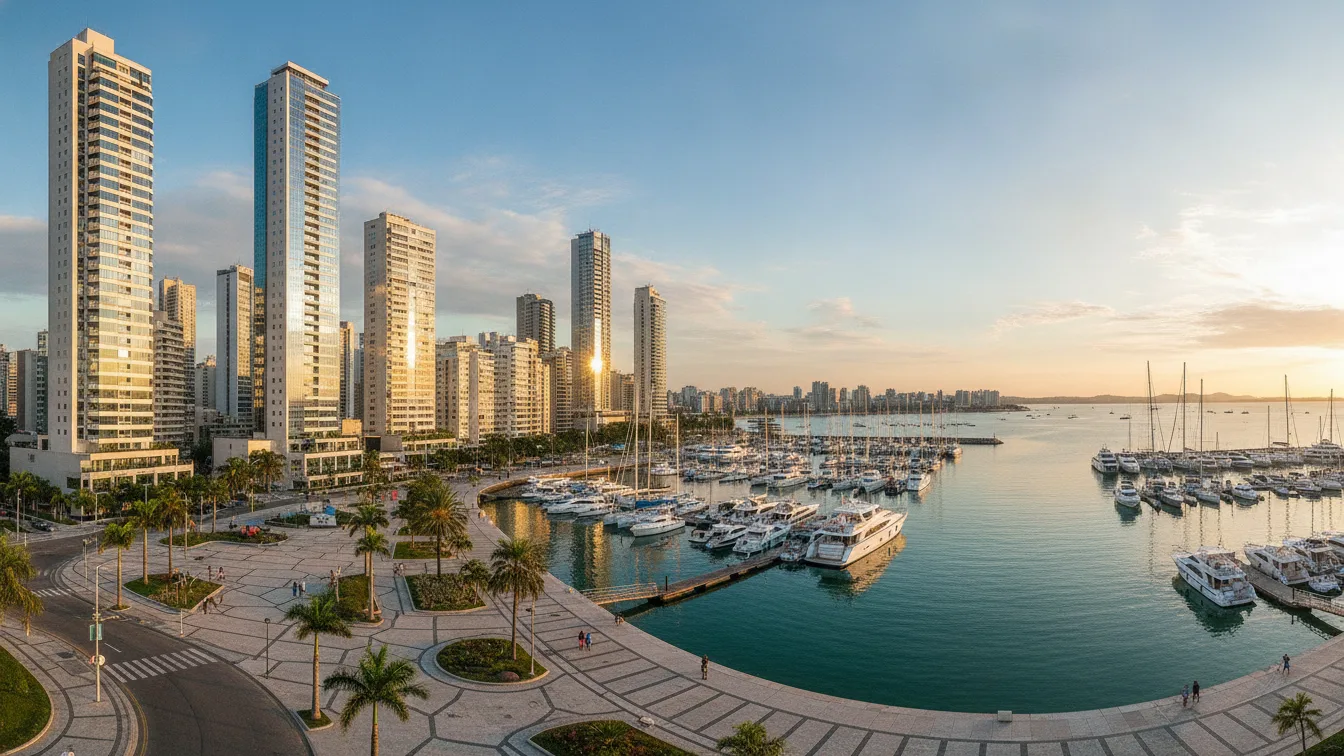
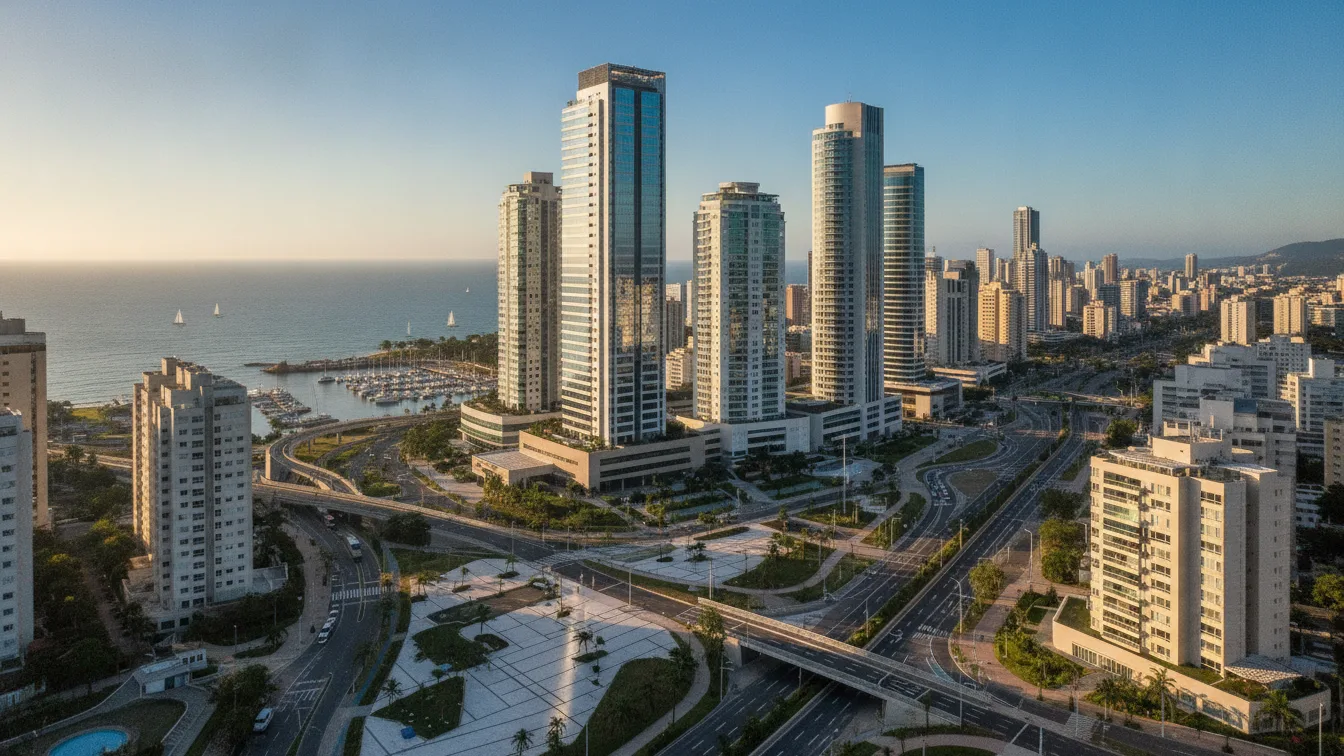
Infrastructure — particularly highway access, airport proximity, and completed utilities — directly correlates with property appreciation and rental yields in Santa Catarina. Properties in gated communities near operational infrastructure in Florianópolis, Balneário Camboriú, and northern SC typically achieve 4–6% annual yields. The BR-101 expansion project has notably strengthened values in accessible developments, but investors should distinguish between completed infrastructure (low risk) and announced projects (timing risk). A property's long-term appreciation depends less on promised amenities and more on whether water, sewage, roads, and connectivity are already operational and capacity-verified. My father always said the best real estate investment is the one nobody sees coming — until suddenly, everyone does. He was talking about Pinheiros in São Paulo back in the 1980s, before the Minhocão was built. Once that infrastructure arrived, values doubled within five years. I think about that lesson often when I'm evaluating properties here in Santa Catarina, because we're living through a similar inflection point right now.
Why does infrastructure drive property value?
Infrastructure in Santa Catarina isn't just about convenience — it's about capital velocity. A gated community in Jurerê Internacional with direct access to the BR-101 expansion performs differently than one that requires 40 minutes of backroads to reach the coast road. That 15-minute difference in commute time isn't a comfort issue; it's a wealth issue. Properties with reliable highway access, proximity to the airport in Florianópolis, and connectivity to São Paulo's domestic flight network appreciate more predictably because they serve a specific buyer profile: São Paulo entrepreneurs and families who need to return regularly to business or family obligations.
How is the BR-101 expansion reshaping the market?
Let me be specific about what we're seeing. The BR-101 duplicação (highway expansion) project running through northern SC has quietly reshaped Balneário Camboriú's investment profile. Developments in closed condominiums near the new access points — we're talking neighbourhoods like Barra Sul and Município — are commanding stronger rental yields, around 4-6% annually, because infrastructure reliability reduces tenant friction. When someone can predictably reach their workplace in Curitiba in under three hours, or Blumenau's growing tech corridor in 45 minutes, they'll pay a premium for that stability. Without that infrastructure promise, you're selling a lifestyle narrative; with it, you're selling an economic system.
Completed vs. promised infrastructure — what actually adds value?
But here's where caution matters: not all infrastructure creates equal value. A shopping centre announced for a neighbourhood doesn't mean the property adjacent to it will appreciate. I've seen developments bet on promised amenities that took a decade to materialise — or never did. What matters is completed, operational infrastructure: functioning access roads, water and sewage systems already capacity-tested, proximity to hospitals and schools with proven demand. When you're evaluating a property, especially in the R$500k–R$1M range that represents serious family capital, you need to distinguish between infrastructure that's under construction (risky timing) and infrastructure that's already operating (proven value).
What is the quality-of-life return on infrastructure?
The quality-of-life return on infrastructure shouldn't be dismissed either. This is where Santa Catarina's advantage becomes generational. A family moving from São Paulo doesn't just want a nice house — they want their children growing up in a place where they can actually use what's built. A gated community near Praia Mole with completed cycle paths, security infrastructure, and direct connectivity to Florianópolis's healthcare system offers something São Paulo can't: you get the infrastructure and the lifestyle simultaneously. That combination holds multi-generational appeal, which is what separates a good investment from a legacy investment.
Which infrastructure layers should you verify?
I always verify three infrastructure layers before recommending commitment: physical (roads, water, electricity — are systems already sized for the development?), commercial (hospitals, schools, supermarkets — are they operational and nearby?), and legal (proper registration of easements, utility rights, and municipal approvals — no surprises after purchase). Confiança se constrói com transparência, and that starts with infrastructure honesty. No gated community survives without it; no property appreciates without it.
Se quiser conversar sobre isso — how infrastructure might impact a specific property you're considering, or how to assess the real versus promised infrastructure around a development — estou à disposição.