
Why are investors interested in 3-bedroom apartments in Jurerê, Florianópolis?
Rising investor interest in Jurerê's three-bedroom units reflects a shift toward family-scale, multi-tenure investments rather than speculative short-term holdings. Three-bedroom apartments (120–160 sqm) sit above Florianópolis's median price point but below luxury penthouses, attracting capital seeking balance between appreciation potential and operational stability. Jurerê's mature infrastructure, gated-community security premium (40–50% above ungated equivalents), and mixed tenant demand (corporate expat families, seasonal renters, remote workers) support historically consistent yields of 4–6% net annually, though condominium fees (R$800–1,200/month) and long holding horizons remain essential to cost-of-ownership viability.
My mother called me last month after visiting Jurerê for the first time. She'd spent a week in Guarujá as a girl, and she said walking along the beach there felt like stepping back into that memory—same light, same rhythm, but with better infrastructure. That anecdote stuck with me, because it captures something we're seeing in our conversations with investors right now: Jurerê isn't just attracting luxury buyers hunting penthouses anymore. A quieter, more deliberate investor is asking about three-bedroom apartments.
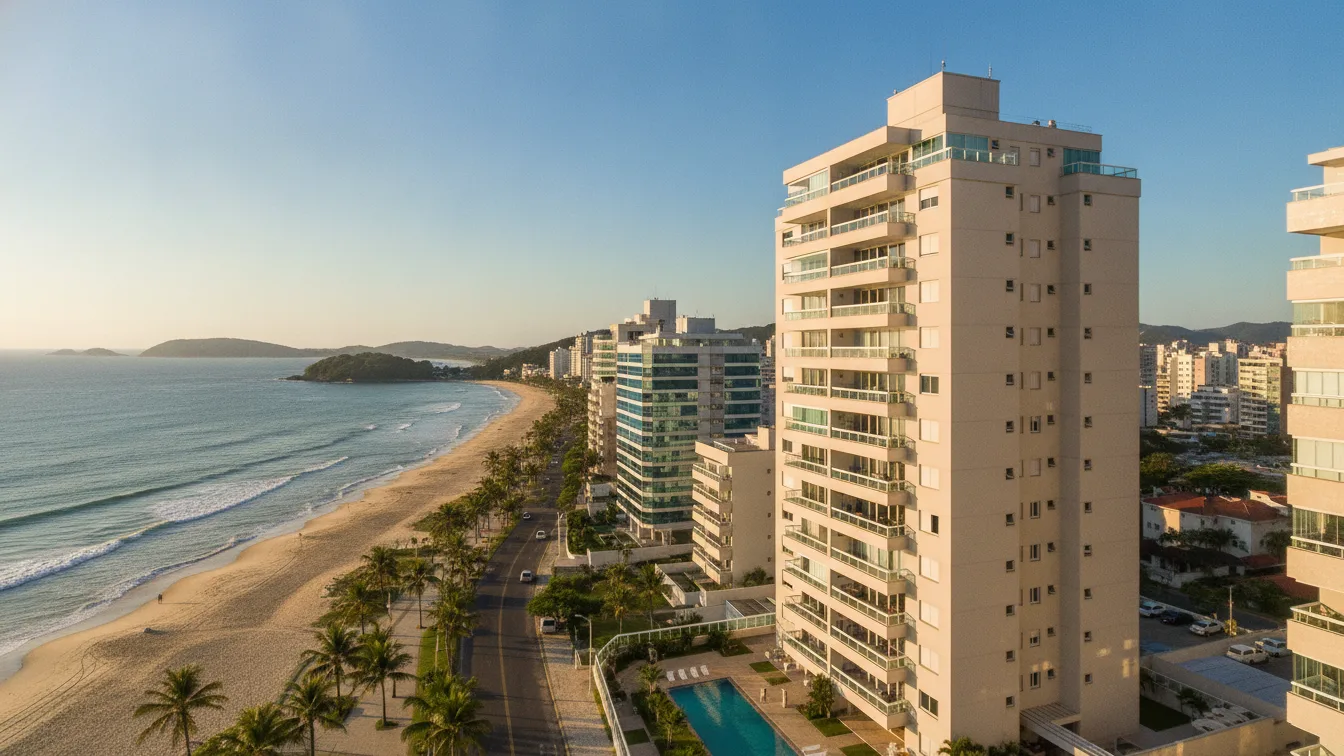
My father always said the best investments look boring on paper until you live in them. Three-bedroom apartments in Jurerê fit that frame. They're not the showpieces—those are the oceanview high-rises starting from R$3.5 million upward—but they're where family-minded capital is landing. And there's real logic behind it.
What makes the pricing geometry work for three-bedroom units?
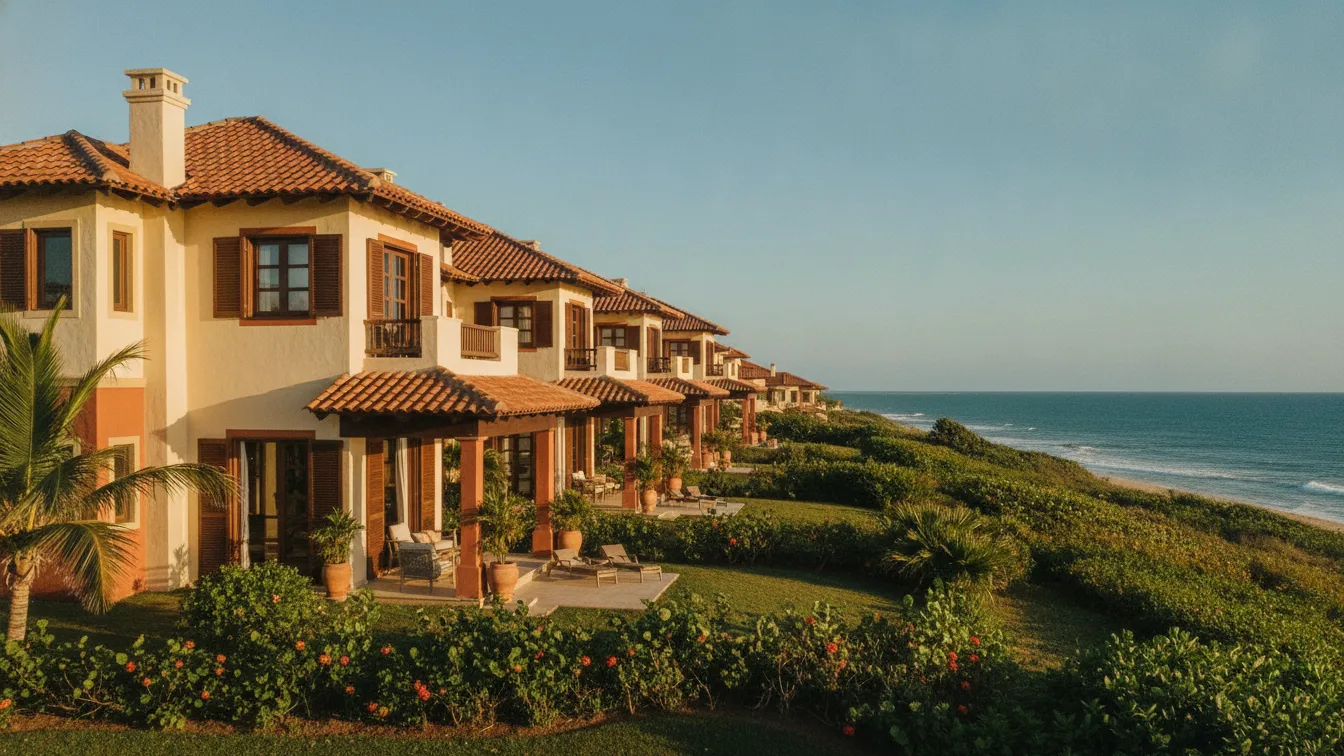
First, the geometry works. A three-bedroom unit in Jurerê typically offers 120–160 square metres of living space, positioned well above the neighbourhood's median of R$14,831 per square metre (as of June 2026, Rocks integrated catalog), but not so high that you're carrying prestige overhead. You get genuine oceanview or green-space positioning, solid construction standards inherited from Jurerê's decades as a consolidated neighbourhood, and—this matters more than people admit—a resident profile that skews toward families and established wealth rather than speculative short-term holders. That composition is generational wealth infrastructure.
Where does rental demand come from in Jurerê?
Second, rental demand is structural, not cyclical. Jurerê attracts three distinct tenant streams: expat families (corporate relocations to Florianópolis's growing tech sector), seasonal holiday renters during Brazilian school breaks, and increasingly, remote workers from São Paulo and Rio seeking a three-month rotation model. A three-bedroom unit captures all three. You're not chasing a single tenant type; you're positioned across multiple income cycles. Historically, rental yields in gated Florianópolis neighbourhoods run 4–6% net annually (before capital appreciation), and Jurerê sits comfortably in the upper range because of that mixed-tenure demand.
How does operational infrastructure affect investment security?
Third—and this is where due diligence matters—Jurerê's infrastructure is operational today, not promised for 2028. Schools, hospitals, provisioning, security perimeter, waste management, water systems: all running. My father bought his first property in Pinheiros on faith; I'm telling you the difference between faith and verification is usually R$200,000 in unexpected repairs. Jurerê's establishments are decades old. That buys you time to build rather than firefight.
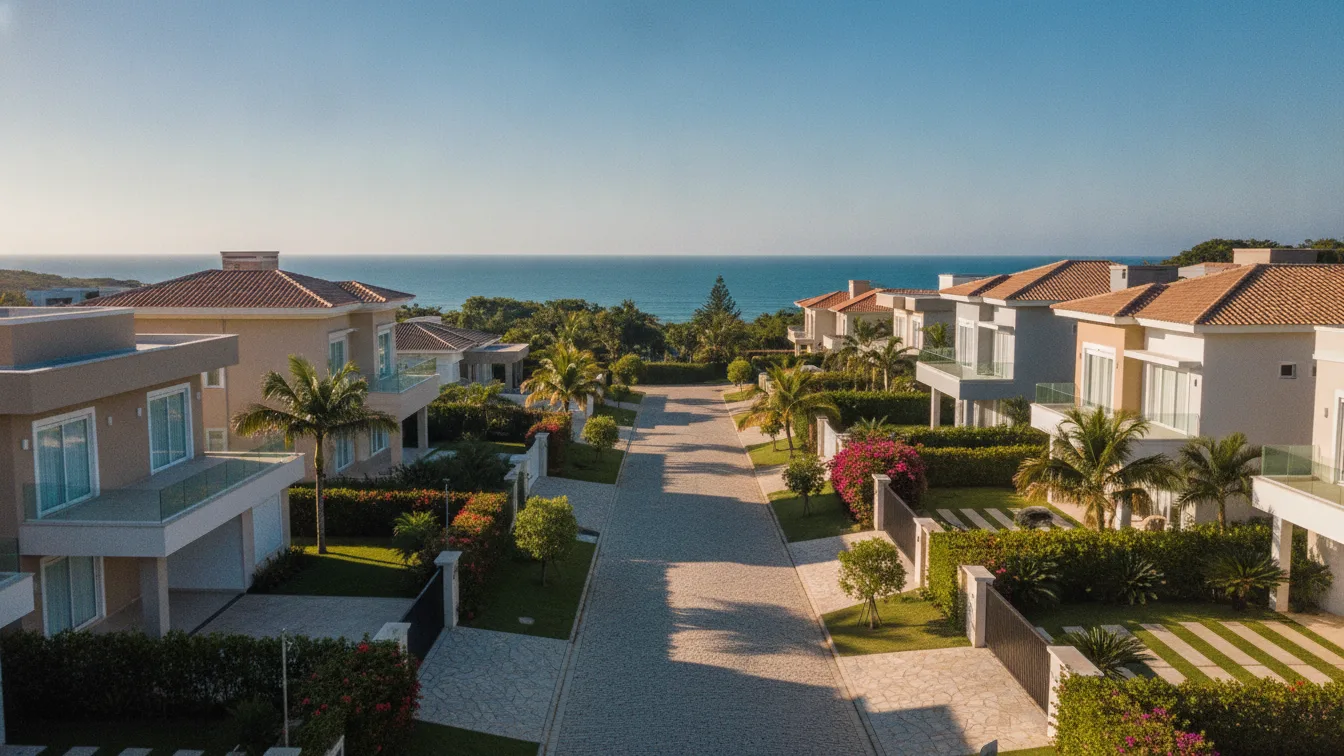
The gated-community premium in Jurerê typically runs 40–50% above equivalent units in ungated neighbourhoods—that's real money—but you're purchasing three layers of security simultaneously: perimeter infrastructure (gates, patrols), resident composition (capital-preservation mindset), and municipal investment (Jurerê attracts prefeitura attention because it's where senior municipal staff live). That compounds. We saw it in 2008, 2015, 2020: gated neighbourhoods in SC absorbed volatility better because their resident base has staying power.
What are the real costs of ownership in Jurerê?
Now, the heat. Condominium fees in Jurerê run R$800–1,200 monthly depending on unit size and amenities. That's not negligible. Total cost of ownership—mortgage, property tax, fees—needs to pencil out against your exit thesis. If you're holding for 10 years with modest leverage, that math works. If you're hoping for 18-month flips, it doesn't. We're seeing investors who understand that distinction ask the sharpest questions.
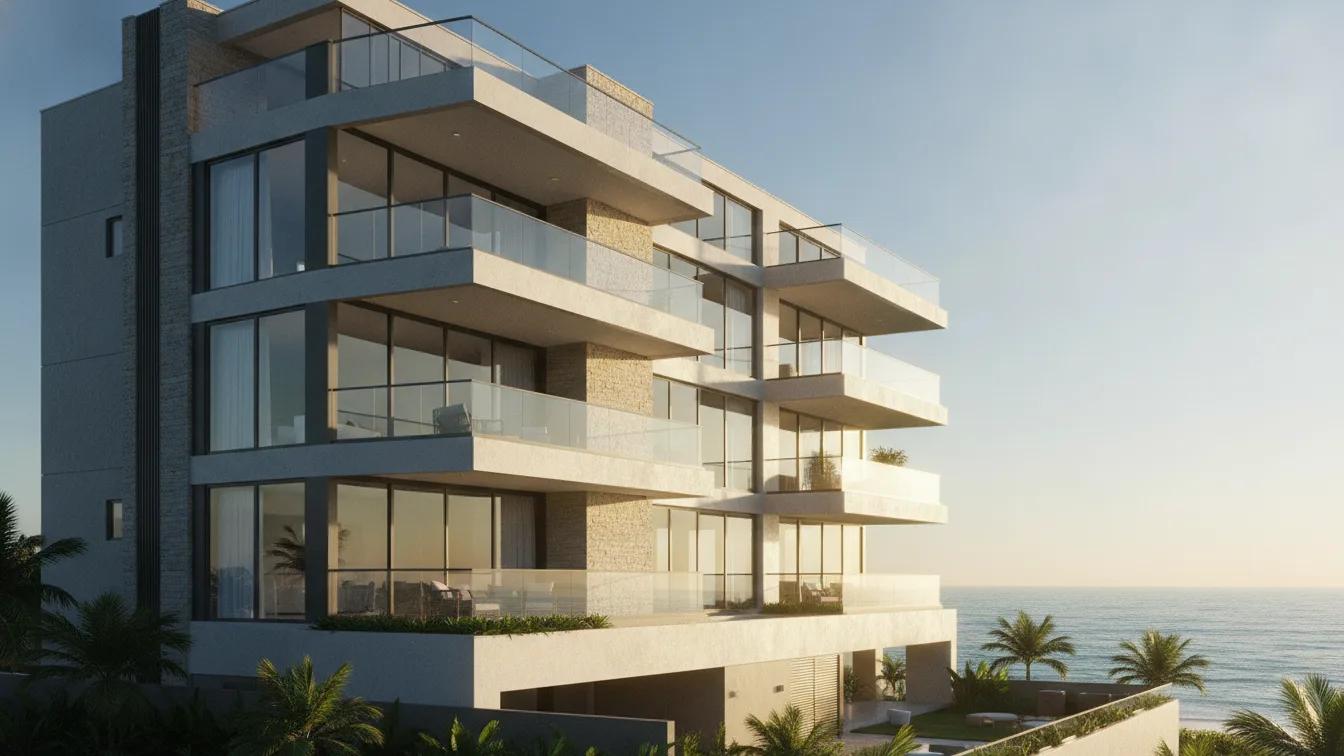
One concrete example: we've fielded growing interest in Authentique Jurerê, a mid-rise with three-bedroom units in the R$1.2–1.5 million range. That's not the neighbourhood's entry point (you can find studios from R$700k), but it's accessible for investors managing R$500k–1M capital. What draws people is unit quality, building systems (properly sized water, electrical, waste management), and the fact that the building attracts the same resident type—families and professionals—not transient holiday lets. That composition matters for capital preservation.
Why is investor interest rising now?
So why the rising interest now? Migration patterns. São Paulo and Rio wealth is moving south with greater intentionality post-COVID. Families aren't just buying weekenders anymore; they're building succession plans. A three-bedroom apartment in Jurerê—occupied by family, rented for six months, held for 15 years—fits that narrative. It's not speculation. It's patrimônio familiar, family patrimony.
If you're thinking about this segment, the conversation worth having isn't about whether Jurerê will appreciate—that's directional and obvious. It's about infrastructure verification, total cost of ownership, tenant profile, and your own exit timeline. Those details separate generational wealth from speculative noise.
Se quiser conversar sobre isso, estou à disposição.