
Are three-bedroom apartments in Jurerê, Florianópolis good investments for Argentine buyers in 2026?
Three-bedroom apartments in Jurerê typically range R$800k–R$1.2M and offer realistic net rental yields of 4–6% annually, making them attractive for Argentine investors seeking peso hedging with moderate capital deployment. Jurerê commands a 25–35% premium over Florianópolis's city-wide average of R$14,922/m² (July 2026, Rocks catalog), reflecting strong infrastructure and rental demand from professional families. However, the ultra-luxury segment shows overheating risk; three-bedroom units remain less speculative and more cash-flow focused than penthouses.
Last month, during a morning run on Campeche beach—my thinking time—I ran into a client from Córdoba who'd just closed on a three-bedroom in Jurerê. His comment stuck with me: "I couldn't afford the penthouses everyone talks about, but this feels real." That conversation crystallized something I've been noticing in investor enquiries: growing attention to Jurerê's three-bedroom segment.
Why is there a price gap between penthouses and three-bedroom apartments in Jurerê?
Let me be direct with you. Jurerê is expensive—no argument there. But within the neighborhood, a meaningful price gap exists between the ultra-luxury penthouses (often R$2M+) and well-positioned three-bedroom apartments, which typically sit in the R$800k–R$1.2M range. For Argentine investors working with constrained capital after recent currency moves, that distinction matters enormously.
What infrastructure and rental demand support three-bedroom investments?
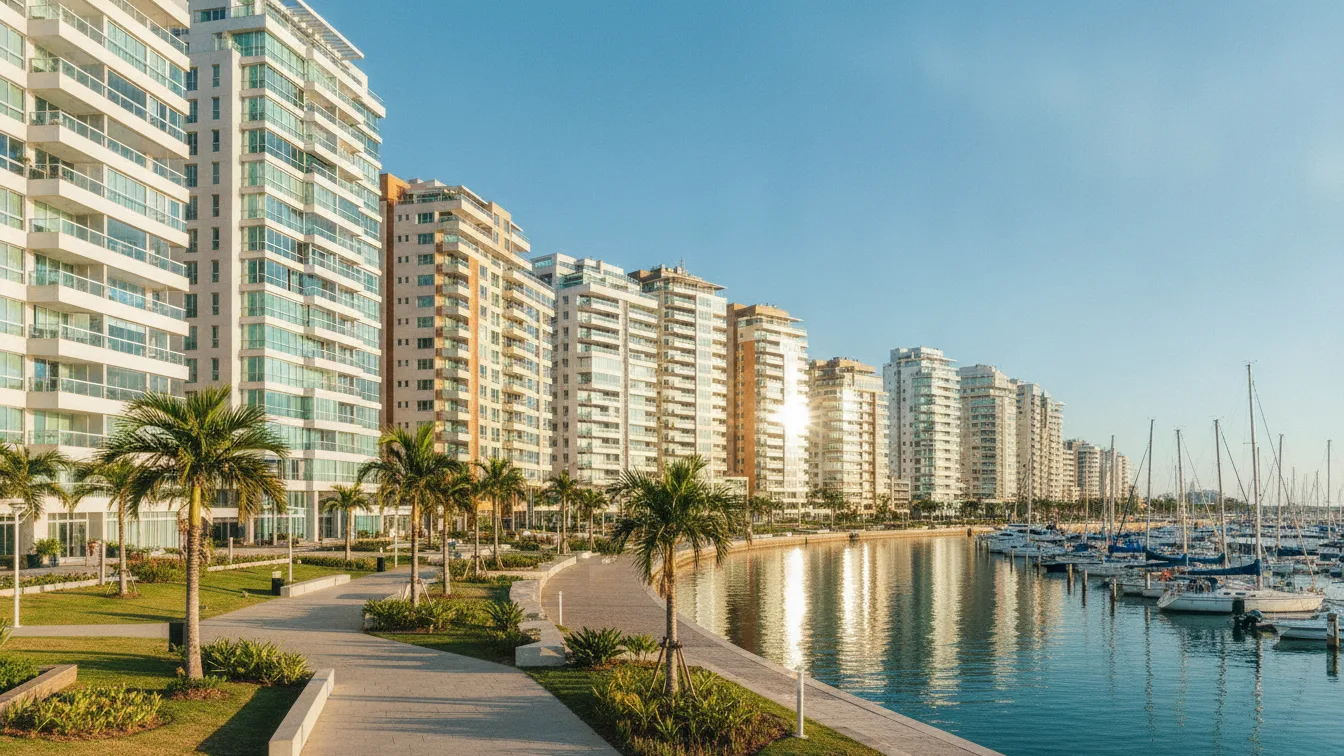
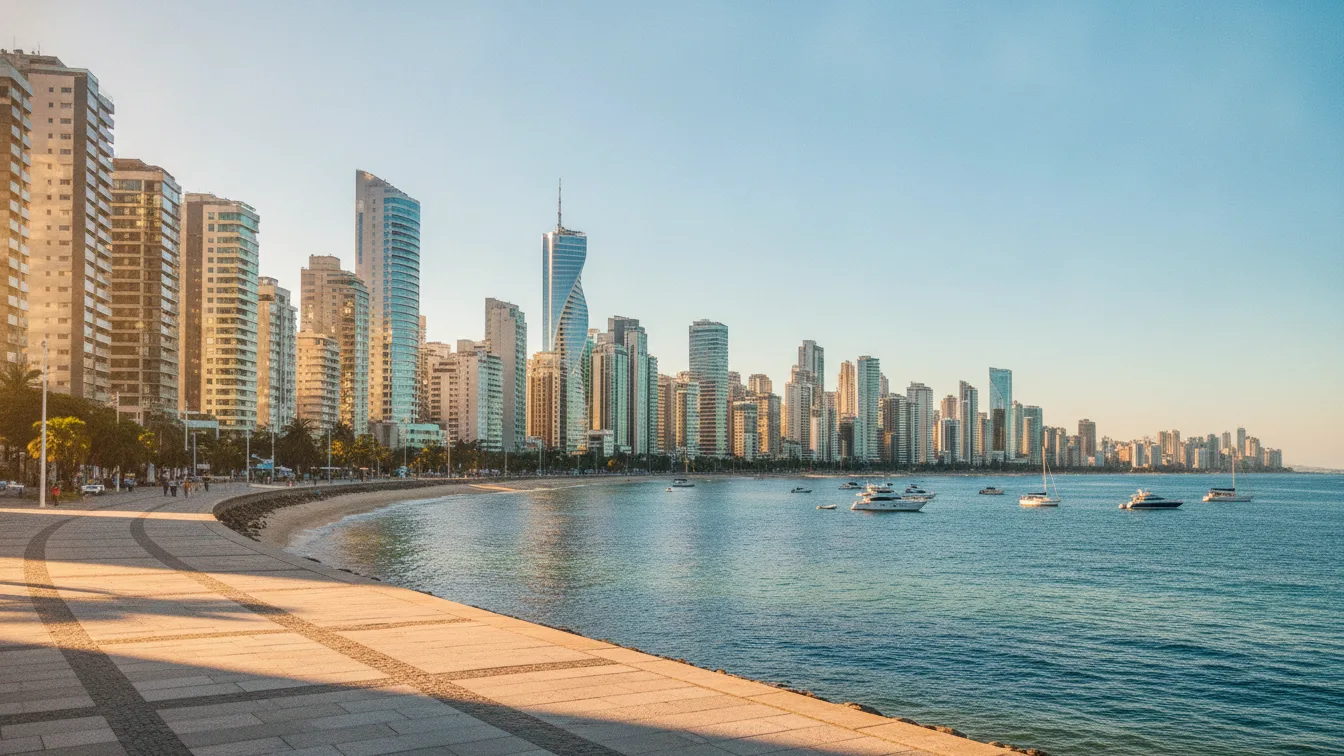
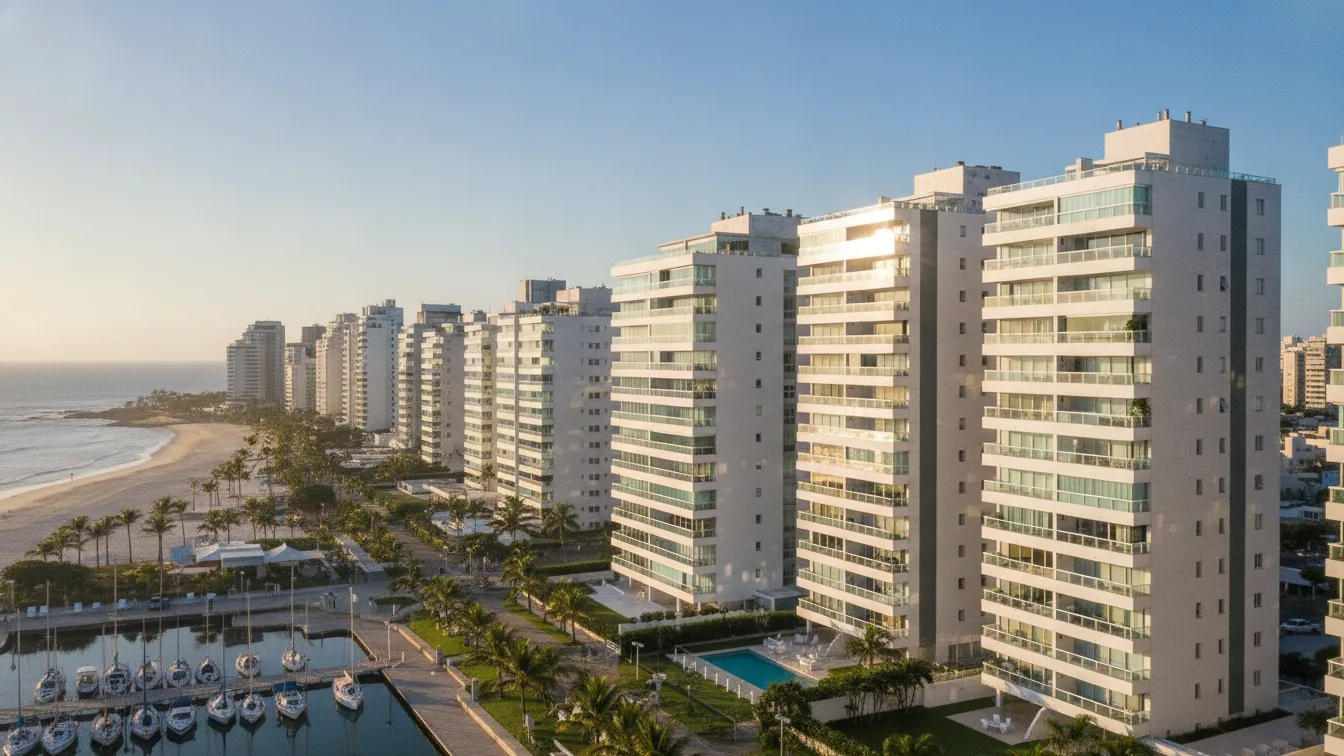
Here's what's driving the shift. First, the neighborhood itself has infrastructure depth that justified its premium five years ago—and still does. Quality schools, year-round restaurants, direct beach access, and proximity to Florianópolis's tech corridor (what locals call Silicon Island) aren't marketing fluff. They're real factors that sustain rental demand from professional families and remote workers. A three-bedroom here can attract tenants who would never rent a four-bedroom penthouse; the market for family relocations to Jurerê is different from the market for trophy properties.
How do rental yields compare for three-bedroom units?
Second, rental yield mathematics shift at the three-bedroom level. Our integrated catalog shows Florianópolis apartments averaging R$14,922 per square metre as of early July 2026. Jurerê commands a premium within that city average—typically 25–35% higher—but a well-maintained three-bedroom in a modest oceanfront or near-oceanfront building can still generate realistic net yields of 4–6% annually. That's not the inflated 8–10% projections you see in marketing brochures. It's achievable, conservative, and cash-flow positive without leverage.
Why are three-bedroom apartments ideal for Argentine peso hedging?
Third—and this matters for Argentine investors specifically—a three-bedroom sits in the sweet spot for peso-denominated family hedging. It's large enough to generate meaningful reais cash flow (useful during volatile exchange periods), yet affordable enough that you're not overextending your capital base on a single property. If you have R$500k–R$800k liquid, a three-bedroom in Jurerê keeps you in the game without forcing you into secondary markets where infrastructure risk is higher.
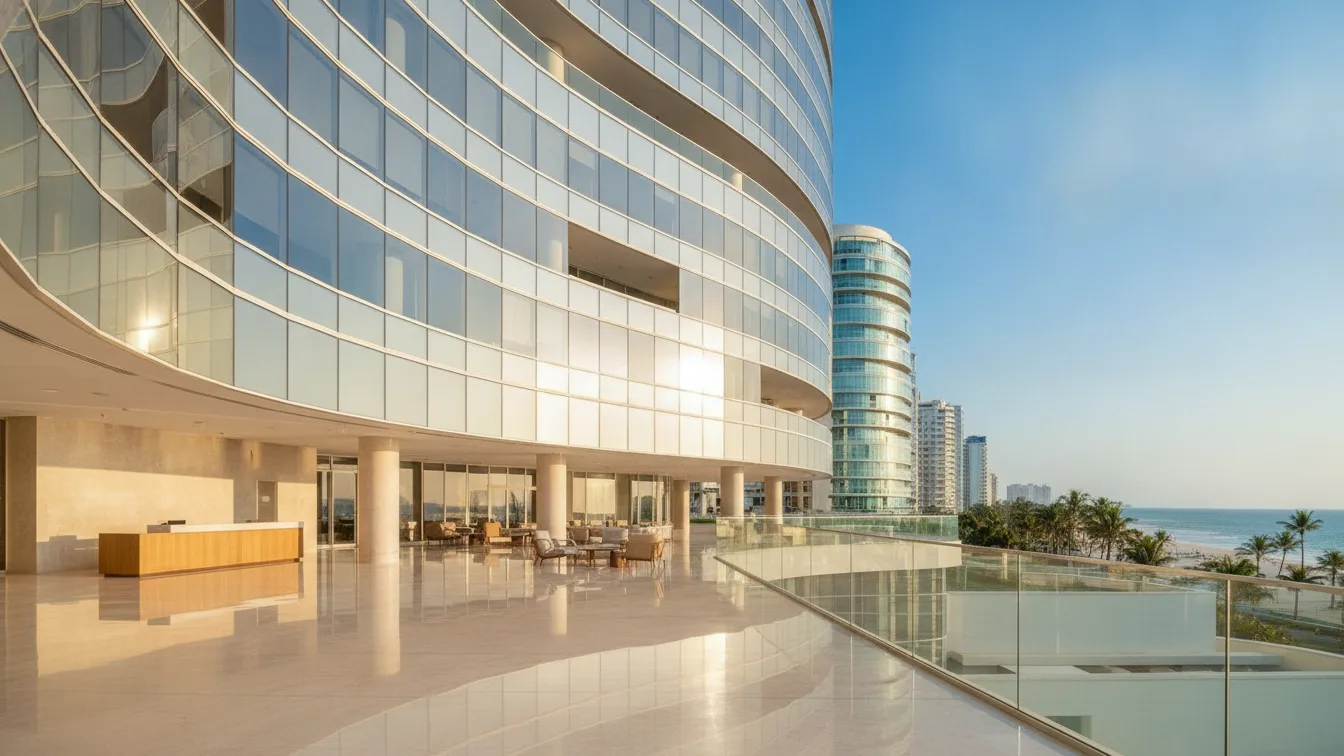
One concrete example: the "Luxury Oceanfront Apartment in Canasjurerê" listing we've seen interest on represents exactly this segment—oceanfront position, three bedrooms, priced to reflect the neighborhood premium but not the pentahouse markup. It illustrates why investors are looking—the location is genuine, the rental-appeal is proven, and the entry price doesn't require you to be ultra-high-net-worth.
The caution I'd add: Jurerê is overheated at the upper end. Pentahouse prices have inflated faster than local income growth can justify, and correction risk there is real. But three-bedroom inventory hasn't moved with the same frothy momentum. Supply is tighter, and buyer psychology is different—families and professionals, not speculation.
One final thought from my morning runs: property investment that works is property you understand before you buy. Jurerê's three-bedroom market isn't mysterious. You can rent it to families who need it, yield from it realistically, and sleep at night knowing you own real infrastructure in a neighborhood that won't disappear.
Como siempre les digo a mis clientes: the best investment is the one you can explain to yourself in plain Spanish, without relying on projected appreciation that never arrives.
Here's my question for you: if you're hedging peso volatility with Brazilian real estate, would you rather own one trophy asset you hope to sell higher, or two or three cash-flowing apartments that give you optionality across market cycles?