
Why are Portuguese investors buying 4-bedroom houses in Rio Vermelho Florianópolis?
Rio Vermelho's larger residential properties attract Portuguese investors due to operational flexibility (multi-use income potential), established neighbourhood infrastructure, and yield levels (4-6% net) that exceed compressed Lisbon yields. However, Brazilian rental income is taxed at progressive rates up to 27.5% without NHR shelter, requiring careful tax structuring before acquisition. Property acquisition must be preceded by independent legal counsel addressing residency status and anticipated income treatment to avoid material tax inefficiency.
The Regulatory Context That Shapes Demand
Before examining why Portuguese investors are turning attention toward larger residential properties in Rio Vermelho, Florianópolis, we must establish the legal foundation. Under Brazilian tax law (Lei nº 7.713/1988), foreign property owners are taxed as Brazilian residents on rental income derived from Brazilian real estate, regardless of personal residency status. This framework—distinct from the NHR treatment available on Portuguese-source income—creates a specific economic calculus that favors larger, multi-unit-capable properties in established neighbourhoods. The distinction matters because it determines whether your investment thesis relies on capital appreciation or yield, and how that income will be treated when remitted to Portugal.
Why Rio Vermelho's Larger Homes Attract Attention
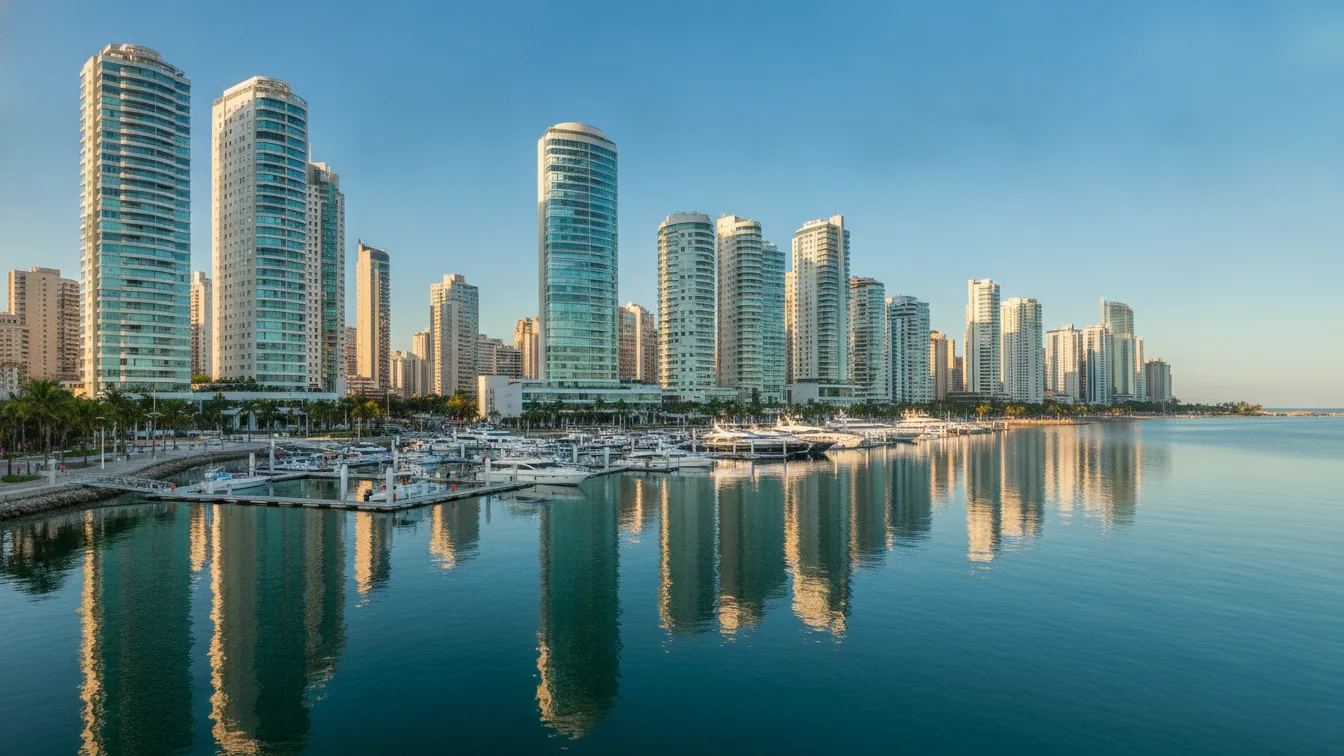
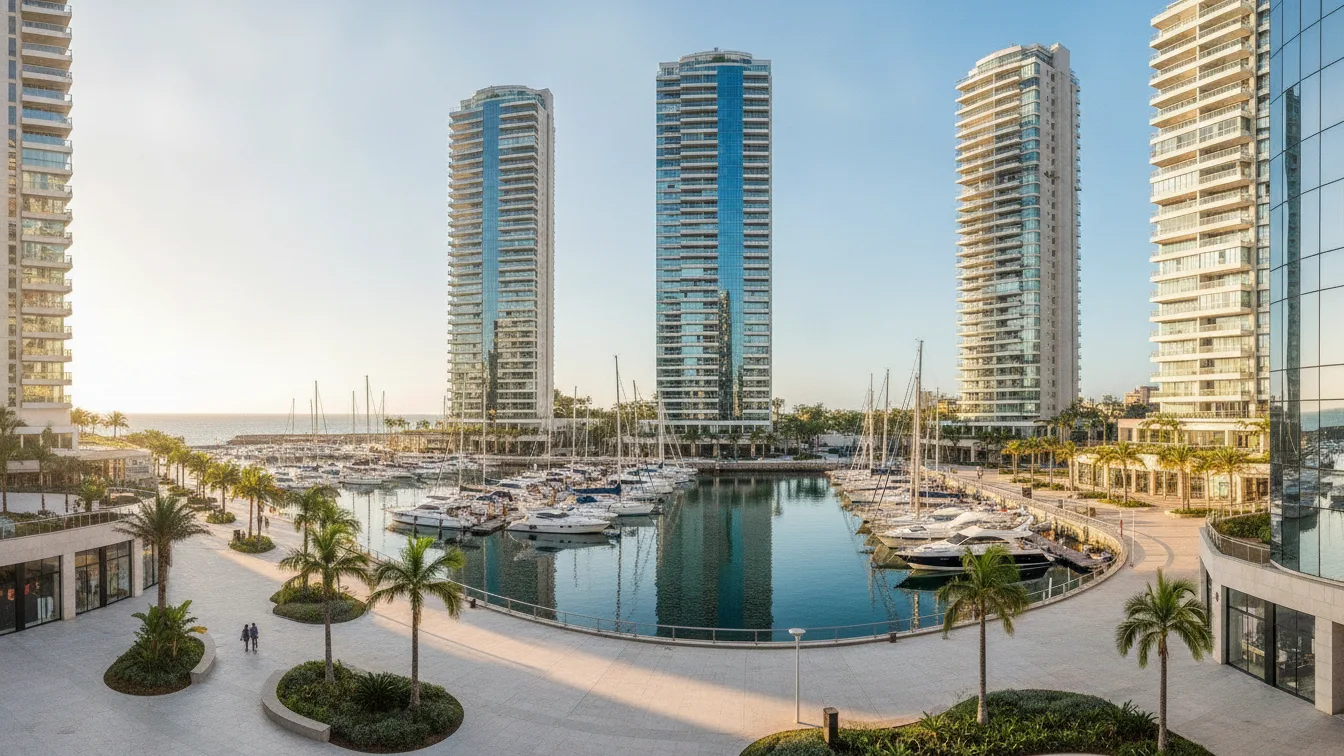
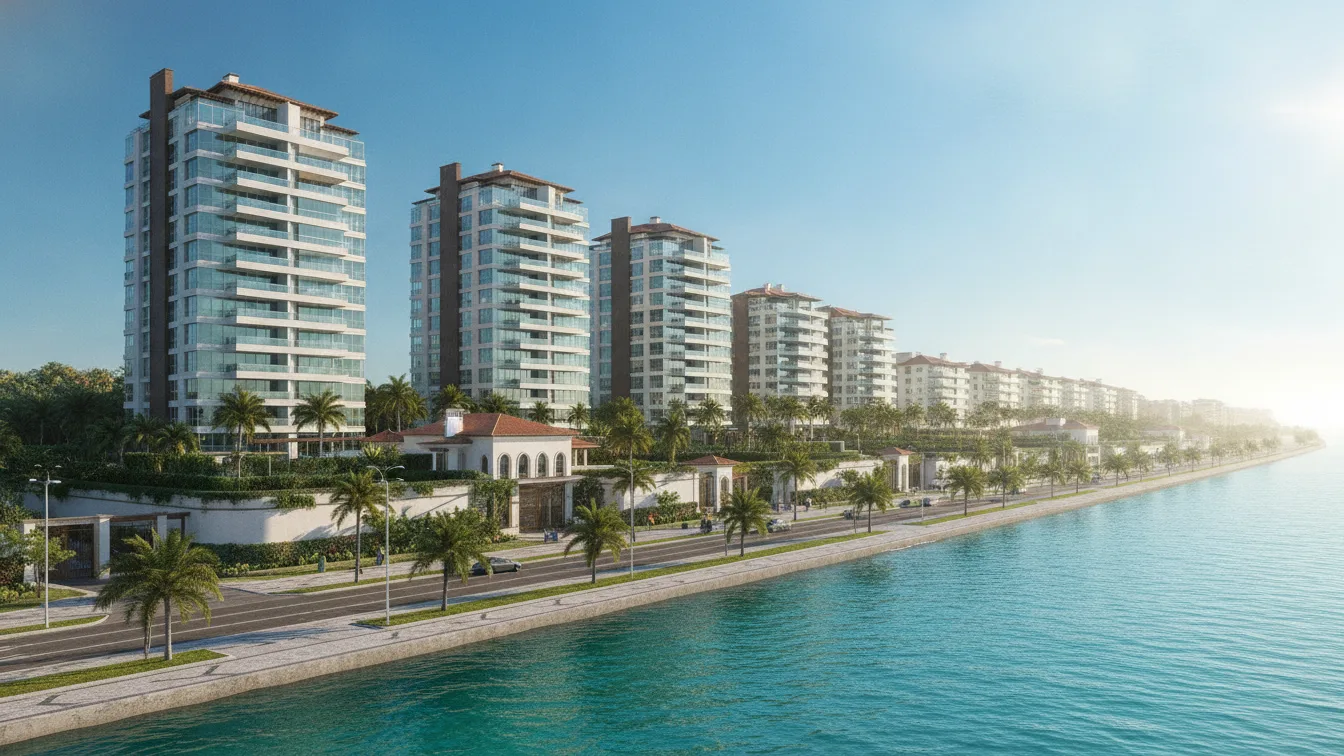
Rio Vermelho occupies a distinct position within Florianópolis's residential hierarchy. Located on the island's south coast, the neighbourhood combines established infrastructure, proximity to amenities, and access to both leisure and year-round rental demand—characteristics that make larger family homes operationally attractive for international investors. A 4-plus-bedroom property in a gated community with pool facilities, for instance, appeals to the growing segment of remote-working families and seasonal occupants who value both space and security. This demographic—increasingly visible among Portuguese diaspora networks and European professionals relocating to Brazil—typically seeks properties that can accommodate extended family visits or generate structured short-term rental income.
Our integrated catalog (as of June 2026) shows Florianópolis averaging R$ 1,650,000 across 167 active listings, with per-square-metre pricing around R$ 14,831. Rio Vermelho properties, particularly gated communities, command a modest premium within this range due to the amenity package and residential stability. What distinguishes this segment is not merely price, but operational flexibility: a 4-bedroom home can serve as primary residence, corporate rental (popular with visiting professionals), structured Airbnb rotation, or long-term lease—giving investors multiple income paths under a single asset.
The Yield and Residency Consideration
Permitam-me contextualizar. Portuguese investors accustomed to Lisbon's compressed rental yields—typically 2-3% net—often discover that Santa Catarina's market offers 4-6% net across established residential neighbourhoods. However, this apparent advantage dissolves without proper tax structuring. Brazilian rental income is taxed at progressive rates reaching 27.5% under IRPS, without NHR shelter available to Portuguese residents. A property generating R$ 100,000 annually in gross rental income will yield approximately R$ 73,000 after Brazilian income tax and mandatory contributions—a material consideration that must be embedded in your acquisition decision, not discovered afterward.
The sequence of your tax residency transition determines these outcomes. If you establish Brazilian tax residency before acquiring the property, your ownership creates immediate tax filing obligations with Receita Federal. If you remain Portuguese-resident, you face foreign income declaration duties to the Portuguese tax authority (IRS) and Brazilian withholding tax on remittances—a dual-jurisdiction structure that demands independent legal counsel to navigate. This is not optional due diligence. A formal opinion letter addressing your anticipated residency status, rental treatment, and fund mechanics must precede your offer.
The Legal Infrastructure That Enables Investment
The rise in interest toward Rio Vermelho's larger homes also reflects growing familiarity among Portuguese advisors with Brazil's property registration system. The cartório (notarial office) registration process, while administratively distinct from Portuguese conveyancing, has become standardized and navigable for investors with proper guidance. Property transfer tax (ITBI) in Santa Catarina typically ranges 2-3%, and NIF registration—mandatory before title completion—creates a permanent administrative record that serves as evidence for Receita Federal compliance. These mechanics are not obstacles; they are transparent pathways when approached methodically.
What we observe is not speculative demand, but informed interest among Portuguese investors who understand that larger properties in established neighbourhoods offer operational diversity and defensible yield potential—provided the tax framework is structured correctly before acquisition. The legal architecture supporting this investment requires independent counsel; it is not something to delegate to property agents or asset managers.
Recomendo vivamente que consultem um advogado independente especializado em tributação internacional antes de qualquer compromisso de compra. A transparência é fundamental.