
What do I need to check before buying undeveloped land in Delta Ville Biguaçu as a Paraguayan investor?
Studio land in Delta Ville (Biguaçu) attracts entry-level investors because pricing is 40–55% below Balneário Camboriú's residential market, yet no yield materialises until the land is developed. Before committing capital, verify zoning classification and buildability through the municipality's planning office, confirm water and sewage infrastructure exist (not promised), run formal solvency checks on any developer using Junta Comercial records, and obtain a complete encumbrance certificate from the local notary registry. Raw land generates appreciation through infrastructure growth, historically 4–6% annually, but not immediate rental income—if you need cash flow now, land is not appropriate.
Growing Interest in Delta Ville's Studio-Sized Parcels
We're seeing rising investor attention toward studio-format land listings in Delta Ville, Biguaçu—a satellite municipality just 15 kilometres from Balneário Camboriú's established market. For Paraguayan investors working within the R$250k–400k BRL entry-level window, this segment presents a structural appeal: raw land at lower per-unit cost than finished properties, yet with theoretical upside if zoning or infrastructure development accelerates.
But land—especially in emerging submarkets—demands a verification framework most first-time international buyers don't yet possess. I've watched Paraguayan investors make confident offers on Asunción raw land based on developer promises and municipal "future plans" that never materialised. Delta Ville requires the same methodical scepticism.
The Attraction: Price-to-Location Geometry
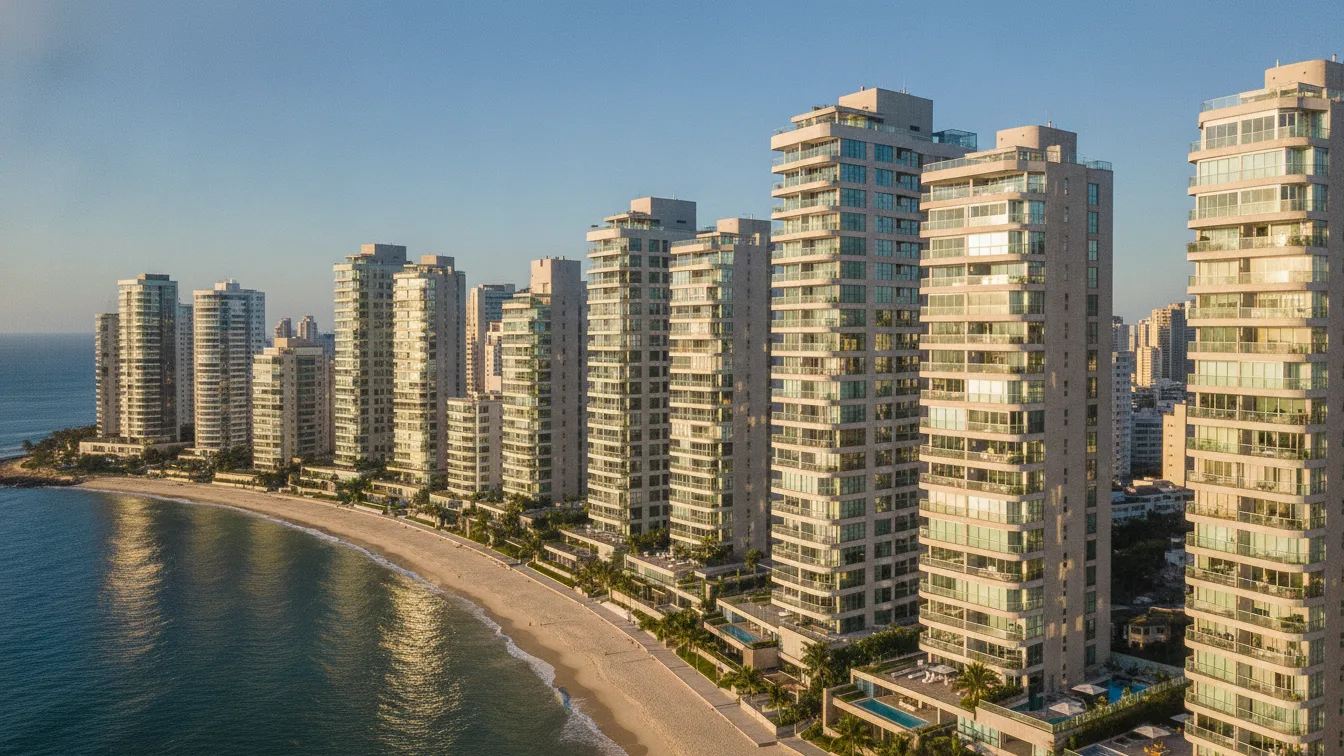
Balneário Camboriú's average residential property trades at R$5.85 million (R$33,115 per m²) as of June 2026—a benchmark I reference because it anchors expectation. Biguaçu, as a secondary hub in the metropolitan corridor, typically prices 40–55% lower than BC's premium segment, yet benefits from improving road access and commercial growth. Studio land parcels—typically 400–600 m² in emerging residential zones—can be found in the R$80k–180k BRL range, depending on zoning classification and proximity to municipal services.
This arithmetic attracts investors who want exposure to Santa Catarina's construction ecosystem without the capital density of finished properties. The logic is sound. The execution risk is not.
What You Must Verify Before Signing
1. Zoning and Buildability Classification
Request the official Certidão de Descrição do Imóvel (property description certificate) from Biguaçu's municipal prefecture. This document—not the seller's promotional material—defines what density, use, and setback regulations apply to your parcel. Delta Ville is still developing its master plan. Confirm that studio residential is permitted at all, and at what floor-area ratio (FAR). A parcel zoned for zona de proteção ambiental (environmental protection) or with fractional buildability will generate zero rental yield.
2. Infrastructure Status and Timeline
Visit the municipality's planning department (Secretaria de Planejamento) and ask directly: Is water supply confirmed? Is sewage treatment functional, or promised "within 24 months"? Are roads paved to the access point? In Paraguayan towns, "next year's infrastructure" rarely materialises. Biguaçu is more reliable, but do not assume. A parcel without water is a liability, not an asset.
3. Developer Solvency and Title Chain
If you're buying land as part of a developer's pre-sale scheme, run a formal Certidão de Antecedentes (background certificate) on the development company through Junta Comercial de Santa Catarina. Cross-reference the company's CPF/CNPJ against Receita Federal records and ask for proof of at least two completed residential projects in SC. I use my escribano network in Asunción to conduct bilateral verification—it costs R$300–500 and has prevented three partners from investing in insolvent entities.
4. Title Insurance and Encumbrances
Before exchange of funds, obtain a full Certidão de Ônus Reais (encumbrance certificate) from the local cartório (notary registry). Confirm no outstanding liens, tax debts (débitos fiscais), or easements exist. In Biguaçu, some parcels carry easements for future municipal infrastructure—this may block or delay construction. It must be visible beforehand.
The Rental Yield Question
Many investors assume studio land will attract short-term vacation rental demand. This is speculative without infrastructure proximity. Raw land generates zero yield until developed. If your thesis relies on a developer building out the parcel and then leasing it back to you, you've transferred your capital to a third party and surrendered control. Historically, entry-level land in emerging Brazilian municipalities has appreciated 4–6% annually as infrastructure improves, but this is property appreciation, not yield. If you need cash flow immediately, land is the wrong vehicle.
AML/KYC: A Protective Signal, Not a Burden
When your escribano or the seller's attorney requests proof of funds origin (bank statements, tax returns, corporate documentation), this is compliance that protects you. Transparent transactions resist future challenges. Paraguayan investors sometimes resist this step—I advise against it. Documented provenance is your legal anchor.
The Methodical Path Forward
If Delta Ville's valuations align with your timeline (3–5 year hold, infrastructure-driven appreciation), follow this sequence: (1) collect the zoning and infrastructure certificates yourself, (2) have a local attorney verify title and encumbrances, (3) run developer solvency checks if buying pre-sale, (4) request a physical site visit and photograph access roads and water/sewage infrastructure, (5) only then negotiate price.
I've verified dozens of developer credentials across Santa Catarina and Paraguay—the ones that survive have this documentation available in 7–10 days. Those that don't have something to hide.
La transparencia genera confianza. Start with the documents. Price follows verification, never the reverse.