
Why are investors buying 2-bedroom apartments in Praia Brava Itajaí instead of larger homes?
Growing investor interest in Praia Brava 2-bedroom apartments reflects a shift toward efficient, managed coastal properties with integrated amenities. Itajaí's market average of approximately R$3.2 million (~$850,000 USD) offers accessibility compared to larger family homes, while newer developments provide modern infrastructure and service models attractive to international buyers managing diversified portfolios. This segment suits investors prioritizing operational clarity and rental-yield potential over sprawling family estates—particularly those exploring Brazil's Golden Visa residency pathways or seeking managed coastal holdings across multiple markets.
The Pragmatist's Coastal Play
When I first walked the Praia Brava waterfront three years ago, I noticed something that reminded me of how Dubai's Pearl developed—not as sprawling villas, but as thoughtfully scaled residences. The neighbourhood was quiet, disciplined in its growth. Today, I'm seeing genuine investor curiosity about 2-bedroom apartments there, and it's worth understanding why.
The appeal isn't sentimental. It's architectural and financial. A 2-bedroom in Praia Brava sits at an inflection point—large enough for a couple or small family to live comfortably, yet efficiently priced compared to the 3- and 4-bedroom homes that dominate legacy neighbourhoods elsewhere in Santa Catarina. According to Rocks' integrated catalog (as of July 2026), Itajaí's average apartment price stands at approximately R$3.2 million ($850,000 USD) with an average per-square-metre cost of R$22,104 ($5,900 USD/m²). This positions the market roughly 25% below Balneário Camboriú's flagship luxury tier, yet in a neighbourhood with distinctly different character—newer, more planned, with genuine oceanfront access.
The Efficiency Argument
Praia Brava's newer infrastructure creates a natural advantage for 2-bedroom segments. Unlike established neighbourhoods where you inherit aging plumbing and electrical systems, newer developments here come with modern amenities—concierge, fitness facilities, smart building systems—bundled into the purchase price without requiring renovation capital. For Middle Eastern investors accustomed to Gulf gated communities where amenities are integral to the property experience, this integrated service model resonates deeply. You're not buying a shell; you're inheriting a managed ecosystem.
I've watched Gulf family offices wrestle with this calculation: a 4-bedroom legacy home in Rio Vermelho or Praia da Brava demands generational commitment and personal stewardship. A 2-bedroom apartment in a well-managed complex demands something different—disciplined capital allocation and operational clarity. Both are valid. But for investors who see Brazil as part of a diversified portfolio rather than a primary residence, the apartment thesis gains weight. Rental yield potential is typically stronger in newer, amenity-rich buildings where furnished-rental or corporate-lease models work efficiently.
Who This Suits
Think of the investor who splits time between Dubai, London, and São Paulo. A 2-bedroom in Praia Brava becomes a graceful landing pad—comfortable, secured, without the property management overhead of a sprawling family home. It also appeals to investors exploring Brazil's Golden Visa pathway (minimum R$1 million, or ~$265,000 USD required), where a Praia Brava apartment can function as both residency anchor and genuine lifestyle asset.
There's also a generational story here. Younger Gulf investors—those managing first-generation wealth outside the family office structure—often prefer concentrated, manageable real estate plays where they can track ROI without regional property managers. Praia Brava's relative newness and transparent market dynamics support that preference.
The Broader Context
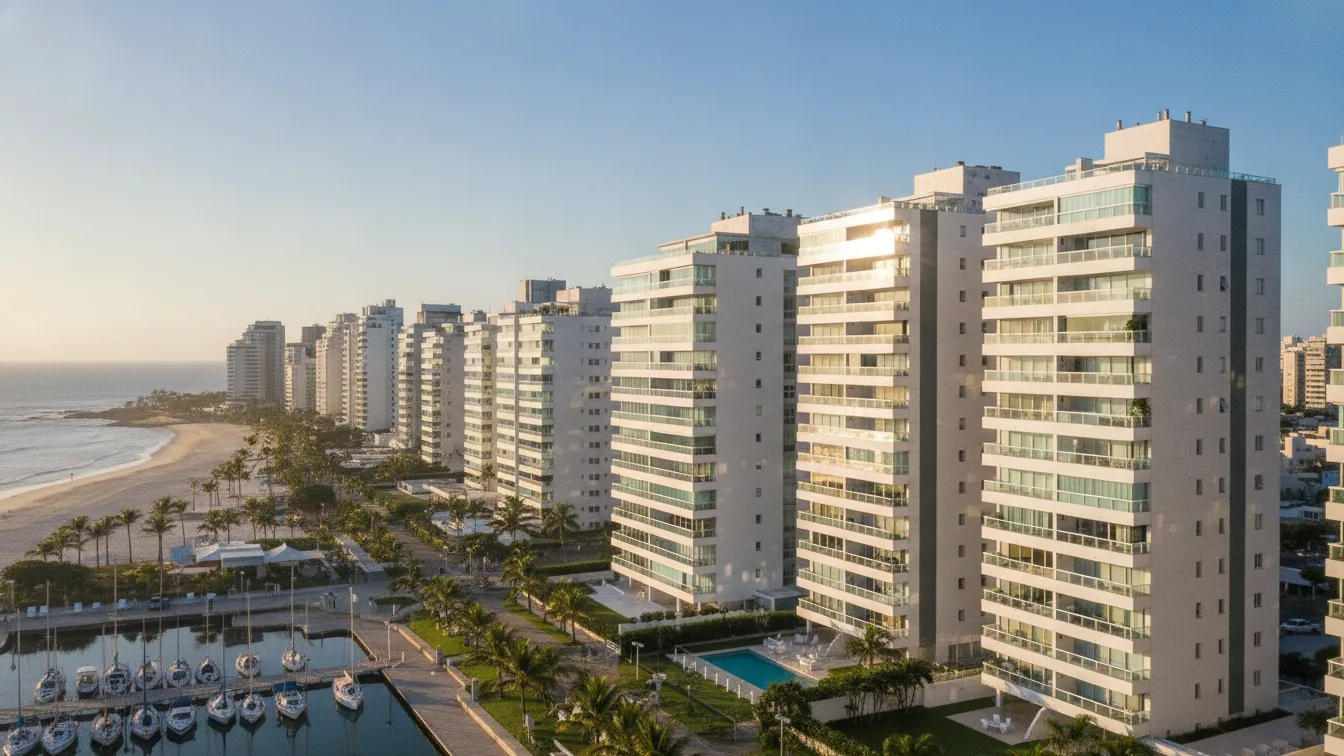
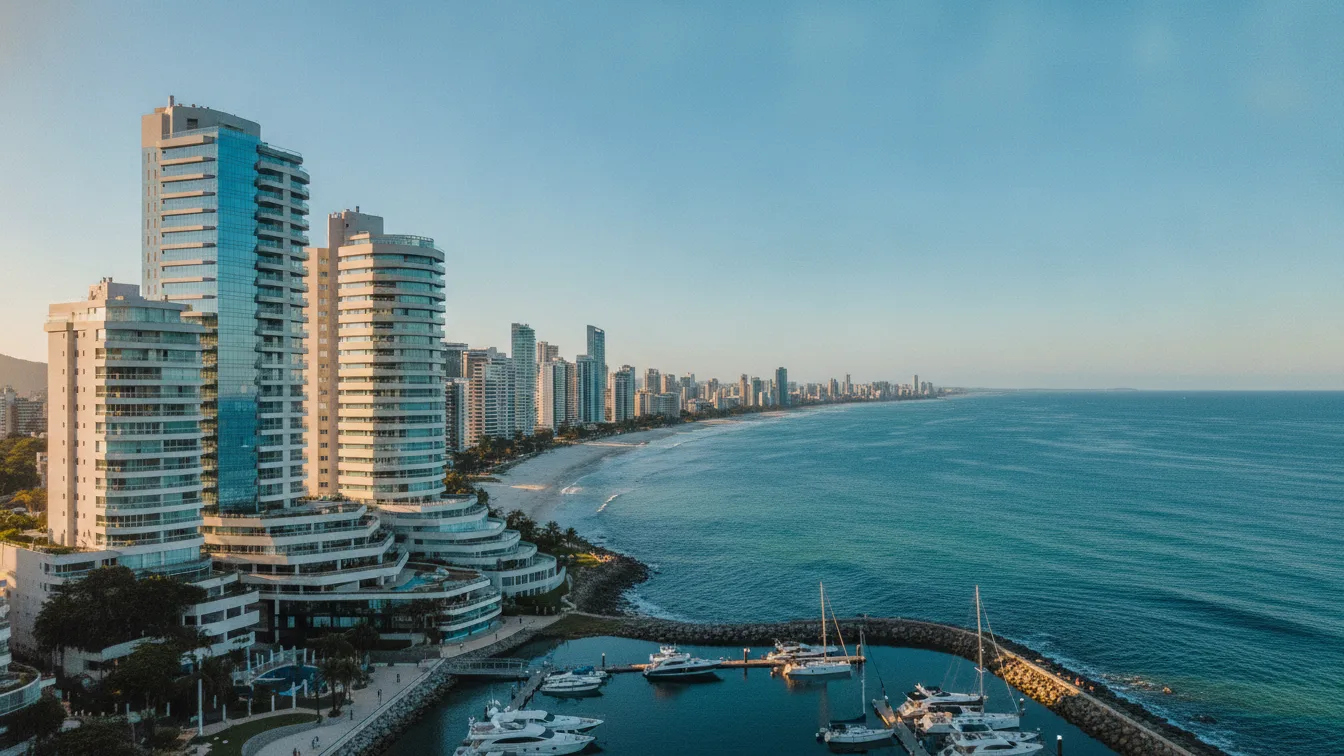
Praia Brava itself has matured strategically. It's no longer speculative frontier; it's become established coastal infrastructure—marina developments, restaurant clusters, proper parking systems. The neighbourhood's trajectory mirrors early-stage Dubai Marina more closely than it mirrors either boom-and-bust resorts or sleepy fishing towns. For an investor comfortable with steady appreciation over a 10–15 year horizon, this predictability is valuable.
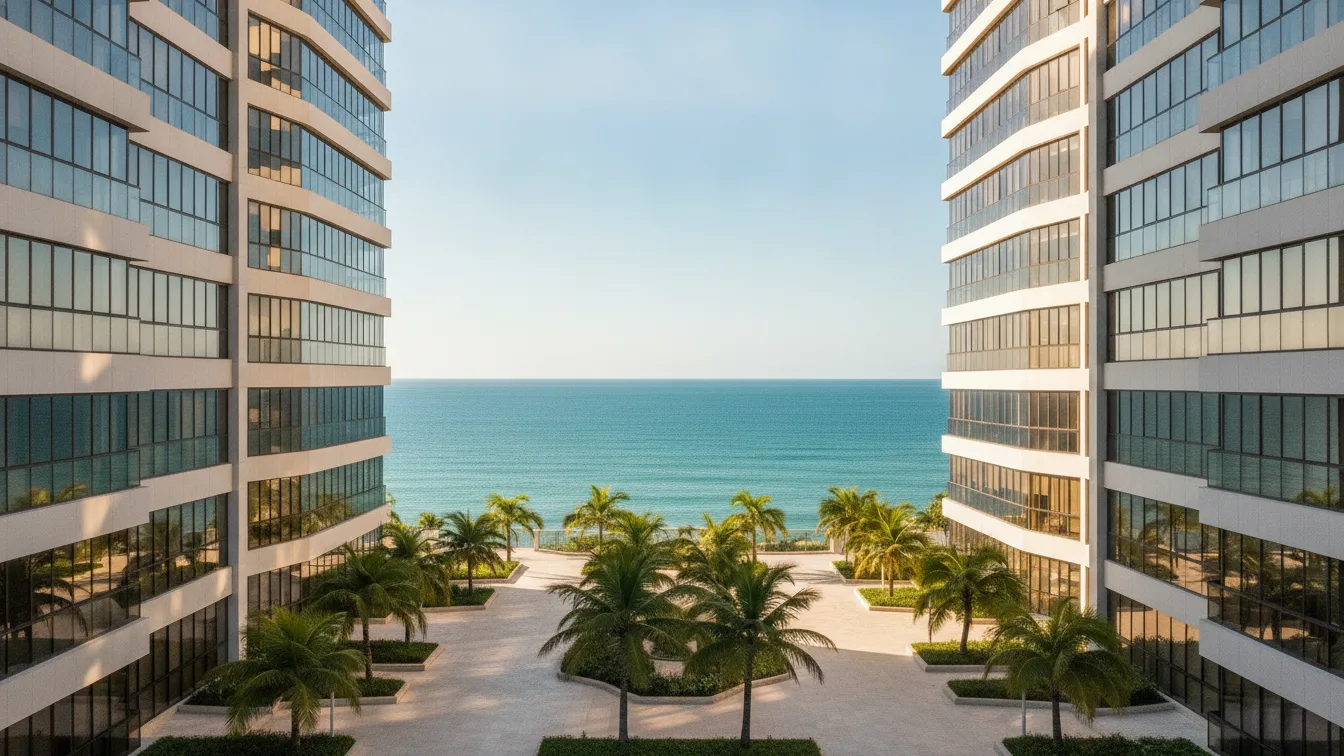
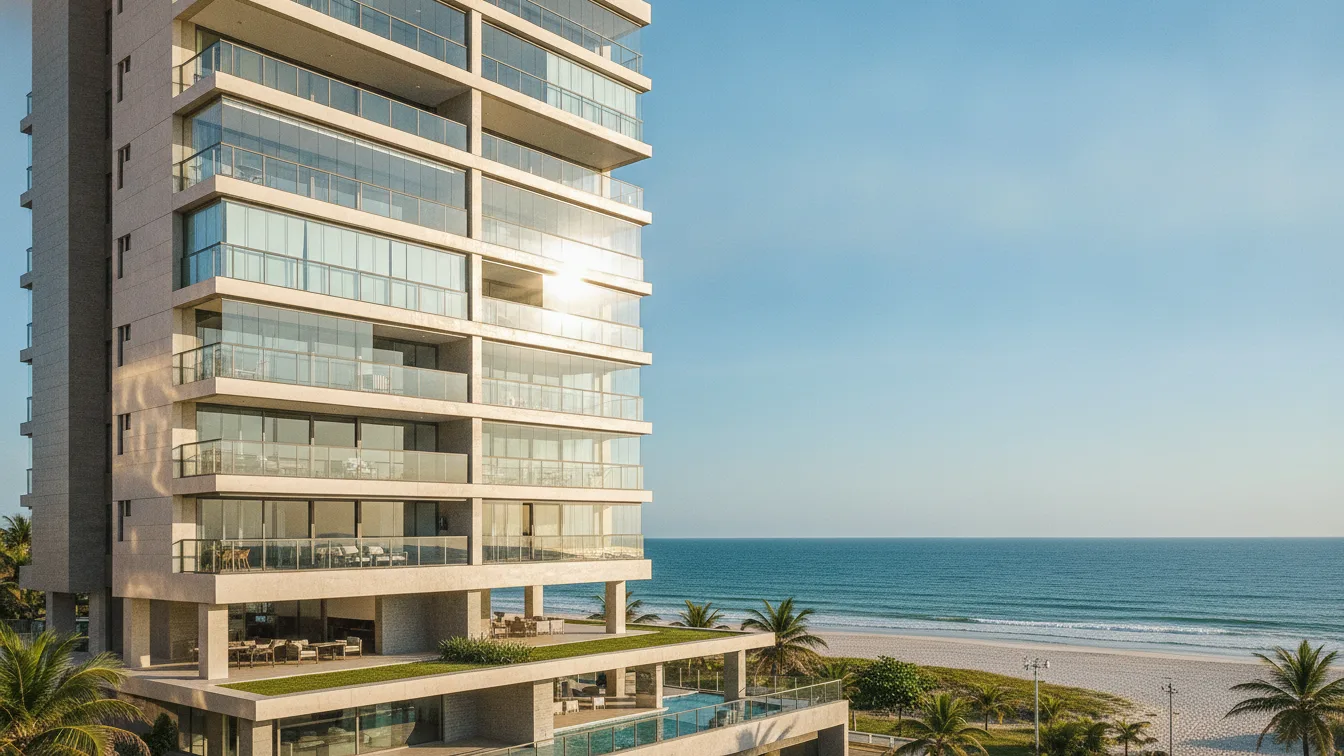
A representative example: the Brava Garden Home Club, a premium gated development, illustrates the segment—ocean-view apartments with integrated concierge, proper security architecture, and developer backing. This typifies the calibre of product now attracting serious buyer attention in the 2-bedroom category.
The caution I'd offer: don't confuse accessibility with speculation. A 2-bedroom in Praia Brava isn't a flip vehicle. It's a patient, income-generating coastal asset that suits investors thinking across decades, not quarters. That disciplined mindset—treating property as legacy rather than commodity—is precisely what transforms a smart financial decision into generational wealth.
الأرض لا تفقد قيمتها أبداً. But the investor's mindset determines whether land becomes a burden or a blessing. Praia Brava's 2-bedroom segment attracts buyers who've already made that philosophical choice.
I'd welcome the chance to discuss how this positioning aligns with your own investment timeline and family legacy goals. تعالوا نتحدث على فنجان قهوة—let's continue this conversation over coffee.