
What is property management in Brazil for foreign investors and why do I need it if I live in Uruguay?
Property management in Brazil is a professional service that handles tenant screening, rent collection, maintenance, and legal compliance on your behalf while you remain in Uruguay. For foreign or absent investors, it is essential because Brazilian tenant law differs from Uruguayan law, emergency repairs require immediate local response, and cross-border tax reporting requires specialised knowledge. Management typically costs 7–12% of monthly rental income and protects both your income stream and asset condition over the long term.
Why Distance Demands Professional Management
When I transitioned from private banking to real estate, I noticed a pattern among my Uruguayan clients: they could acquire properties in Brazil with confidence, but managing them from Montevideo created anxiety. Permítanme ser precisa — property management is not a luxury for absent investors. It is a necessity that directly protects your rental income, your asset condition, and your legal compliance across border jurisdictions.
Brazil's rental market operates under tenant-protection laws that differ significantly from Uruguay. A property manager acts as your on-ground representative, handling tenant screening, lease enforcement, maintenance coordination, and tax reporting. Without this layer, even a well-chosen property can become a source of stress rather than passive income. I have seen clients lose months of rent or face costly eviction disputes simply because communication delays prevented early intervention.
What Professional Management Actually Covers
A reputable property management firm in Santa Catarina or Florianópolis typically provides: tenant vetting and lease administration; collection of rent and condominium fees; emergency maintenance response (24/7 for quality firms); regular property inspections; coordination with local contractors; and monthly financial reporting. The cost structure is usually 7–12% of monthly rental income, depending on the property type and location.
This is not negotiable expense — it is insurance. When a tenant stops paying, a manager knows local court procedures and has relationships with reliable lawyers. When the air conditioning fails during peak rental season, they authorize repair without requiring your approval via email chain. When municipal tax notices arrive, they ensure compliance before penalties accrue.
For Uruguayan investors, this professional distance is critical. El largo plazo siempre gana, but only if your property is actively protected while you focus on life in Montevideo. A manager eliminates the operational burden that often tempts absent owners to sell prematurely.
Red Flags in Management Selection
Not all property managers are equal. Avoid firms that offer "cheap" rates below 7% — they often cut corners on tenant vetting or maintenance response. Avoid managers without clear written protocols for emergency situations. Ask specifically about their experience managing foreign-owned properties and their familiarity with cross-border tax reporting.
The best firms provide transparent monthly statements, photographic evidence of property condition, and direct communication channels with owners. They should also coordinate with your accountant regarding rental income reporting — both to Brazil's Receita Federal and to Uruguayan tax authorities, if your personal tax situation requires it.
I recommend requesting references from other Uruguayan or Argentine owners they manage for. Cross-border experience matters. A manager comfortable with foreign owners will understand currency fluctuations, understands visa implications if you wish to visit, and can explain local regulations in Spanish.
Market Context: Where Management Matters Most
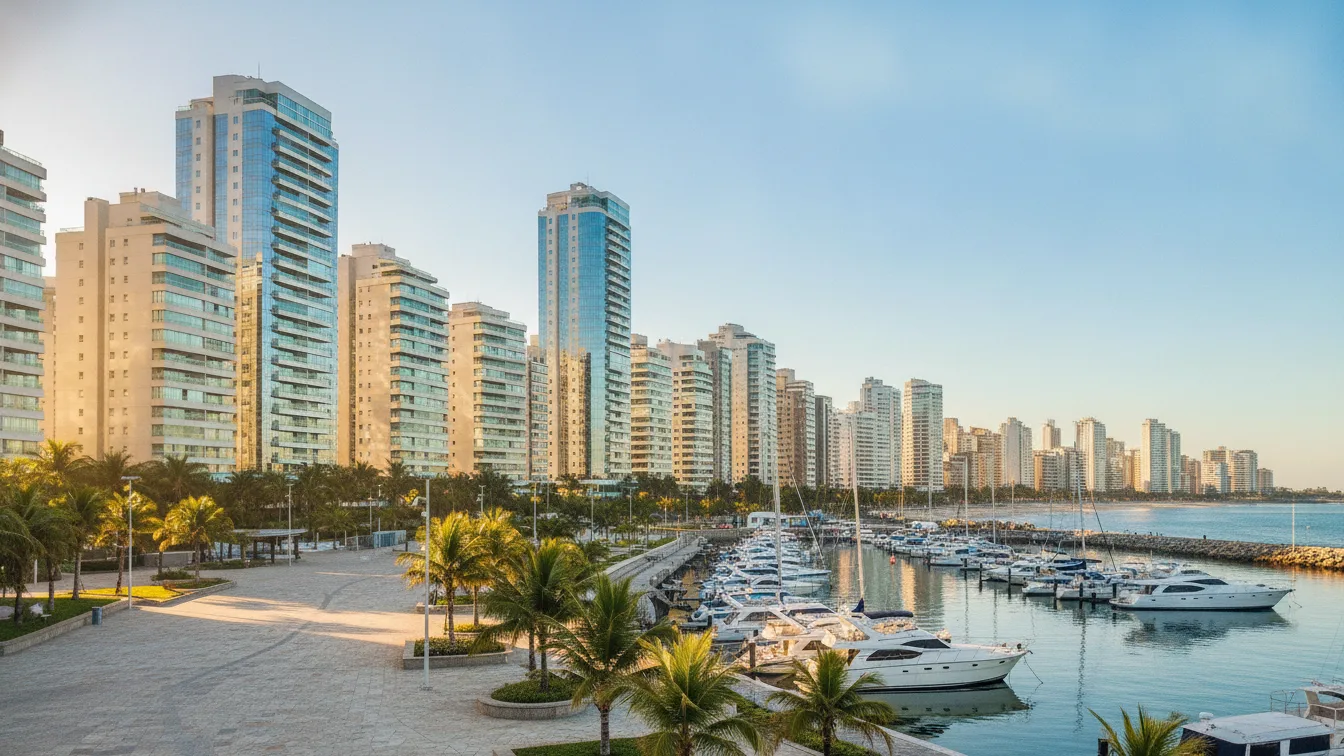
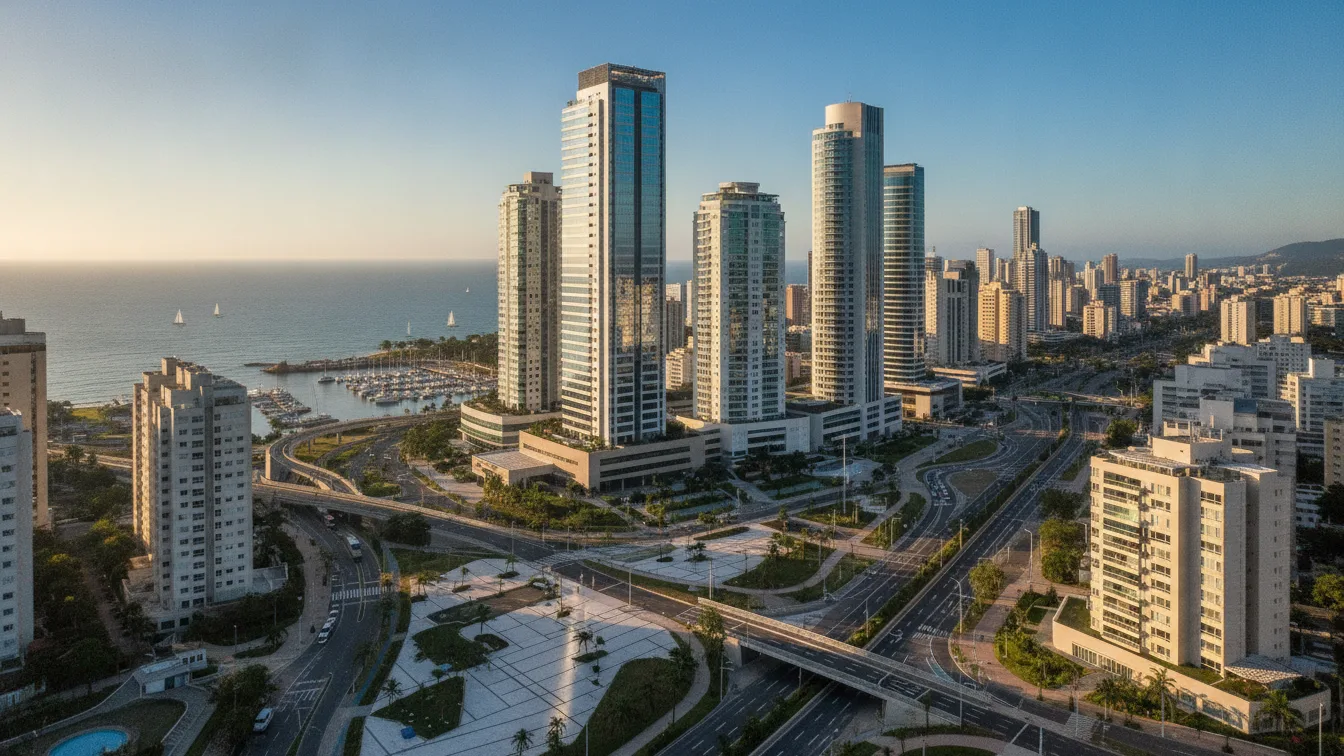
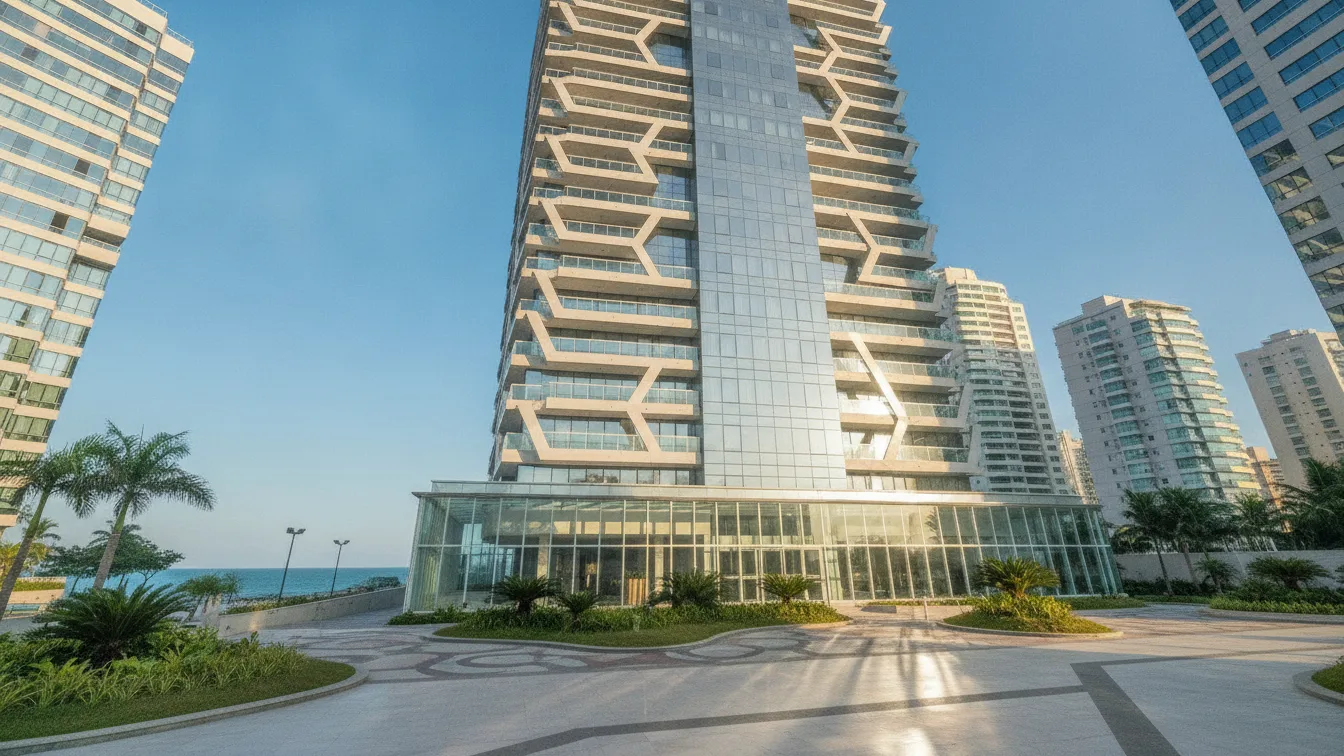
According to our integrated Rocks catalog (as of June 2026), Florianópolis hosts 168 active listings with an average price of R$1,650,000 and an average per-square-meter price of R$14,843. These are properties sized for the mid-level investor seeking rental income. Balneário Camboriú, at R$5,850,500 average, attracts luxury investors with smaller portfolios but higher per-unit income potential.
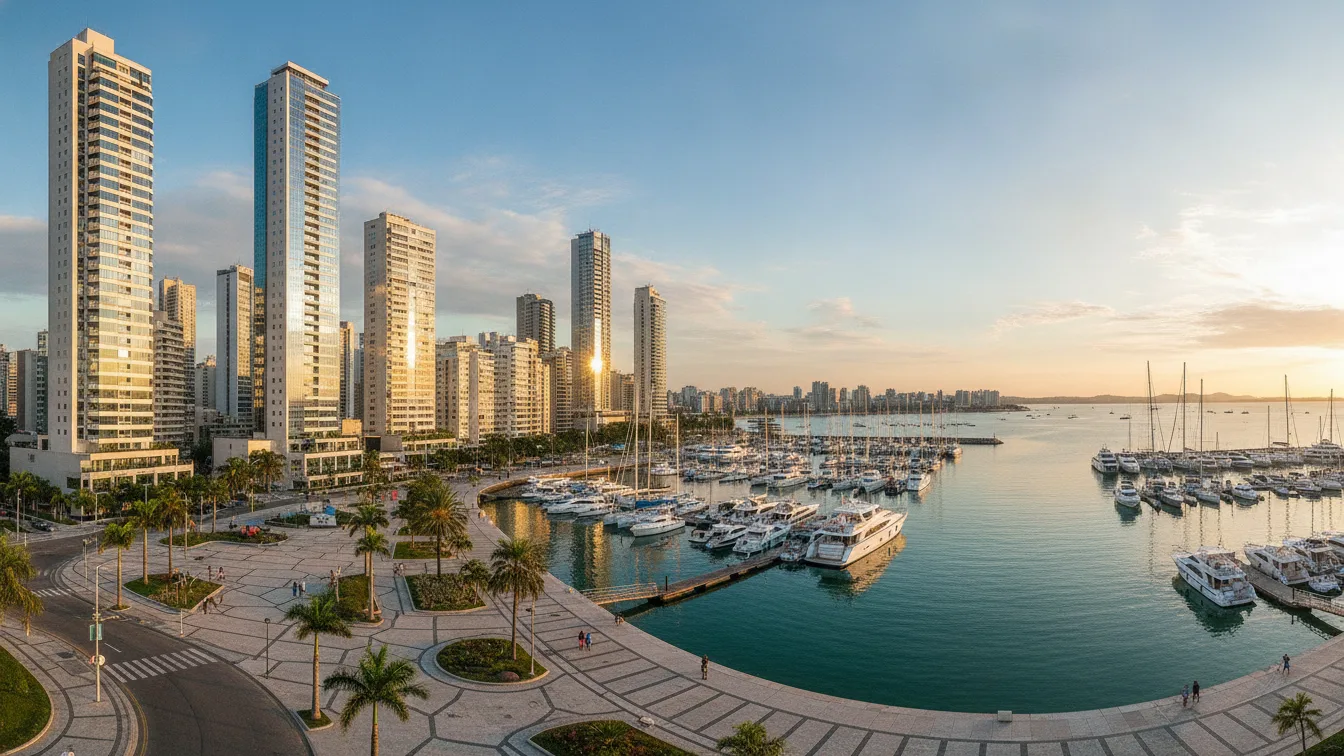
In both markets, professional management becomes essential once your property is generating income. A vacation rental in Balneário Camboriú might turn over guests weekly — a task impossible to manage from Montevideo. A long-term lease in Florianópolis still requires timely maintenance coordination and tenant communication in Portuguese.
Integration with Your Broader Strategy
Diversificar no es un lujo — es prudencia. If you own property in both Uruguay and Brazil, your management structure should be coordinated. Some firms offer integrated services across both countries, which simplifies accounting and gives you a single point of communication. This eliminates confusion when currency fluctuations affect your rental income in BRL and your personal expenses in UYU.
La estabilidad es nuestro mayor activo. Professional property management transforms a distant asset from a source of uncertainty into a structured income stream. It allows you to think in terms of years and decades, not monthly email emergencies. When you invest R$500,000–1,000,000 in Santa Catarina, protecting that investment with professional local management is not an added cost — it is the foundation of your return.
If you are ready to explore property opportunities in Brazil with proper management infrastructure in place, I am here to discuss both the acquisitions and the operational framework that keeps them performing. Cuando estén listos, estoy aquí para conversar.