
What is the climate like in Santa Catarina Brazil and why do foreign investors choose it for real estate?
Santa Catarina maintains an average temperature of 22°C year-round (IBGE data), with water temperatures ranging 18–26°C seasonally. The region offers consistent political stability, low crime indices in premium coastal zones, and established infrastructure comparable to Western European standards. For Russian and European investors, SC provides geographic diversification, stable residency access via Brazil's Golden Visa program (typically R$2–3 million minimum investment), and property ownership independent of currency volatility. However, as with all international real estate, macro risks exist — due diligence on structuring and local legal frameworks is essential before commitment.
The Geography Question
Moscow winters average −5°C. Santa Catarina averages 22°C year-round. That's not lifestyle marketing — it's climate data from IBGE (Brazilian Institute of Geography and Statistics).
For a Russian investor relocating capital and family, this matters. School calendars align with European rhythms. No heating costs. Medical infrastructure matches European standards. But the real story isn't romantic. It's structural.
Why SC, Not Rio or São Paulo
Rio has beaches. SC has beaches and institutional stability. Rio's crime indices fluctuate with macro cycles. SC maintains consistent low crime metrics across its premium coastal zones. São Paulo is financial gravity — but also where Brazil's macro fragility concentrates.
SC sits apart. It's developed enough to have reliable utilities, banking infrastructure, and English-speaking professional services. It's remote enough that it doesn't compete directly with São Paulo's political and economic volatility.
A penthaus in Rio costs roughly the same as SC. But in SC, you're not renting a holiday home. You're anchoring a geographic hedge.
Physical Asset Security
Brazil's macro picture is mixed — currency swings, inflation cycles, political uncertainty. None of that disappears in SC. But here's the distinction: your physical asset doesn't care.
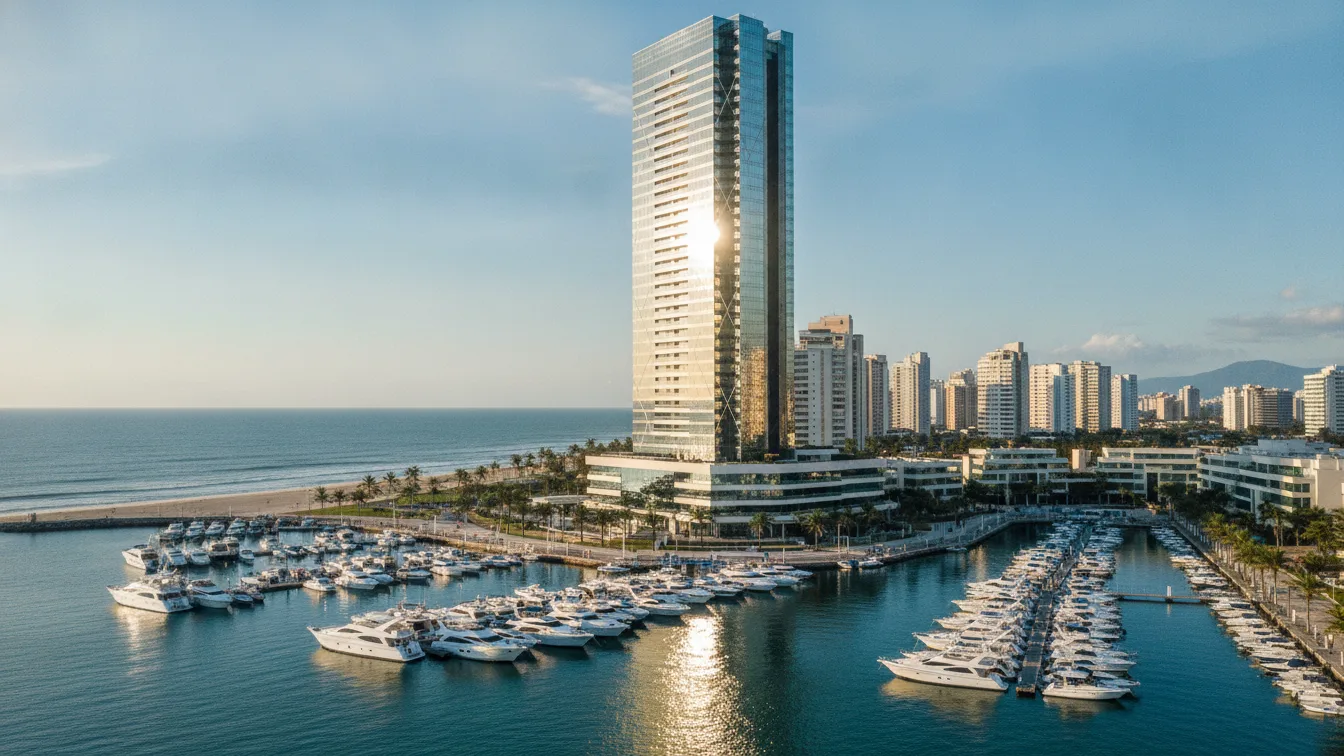
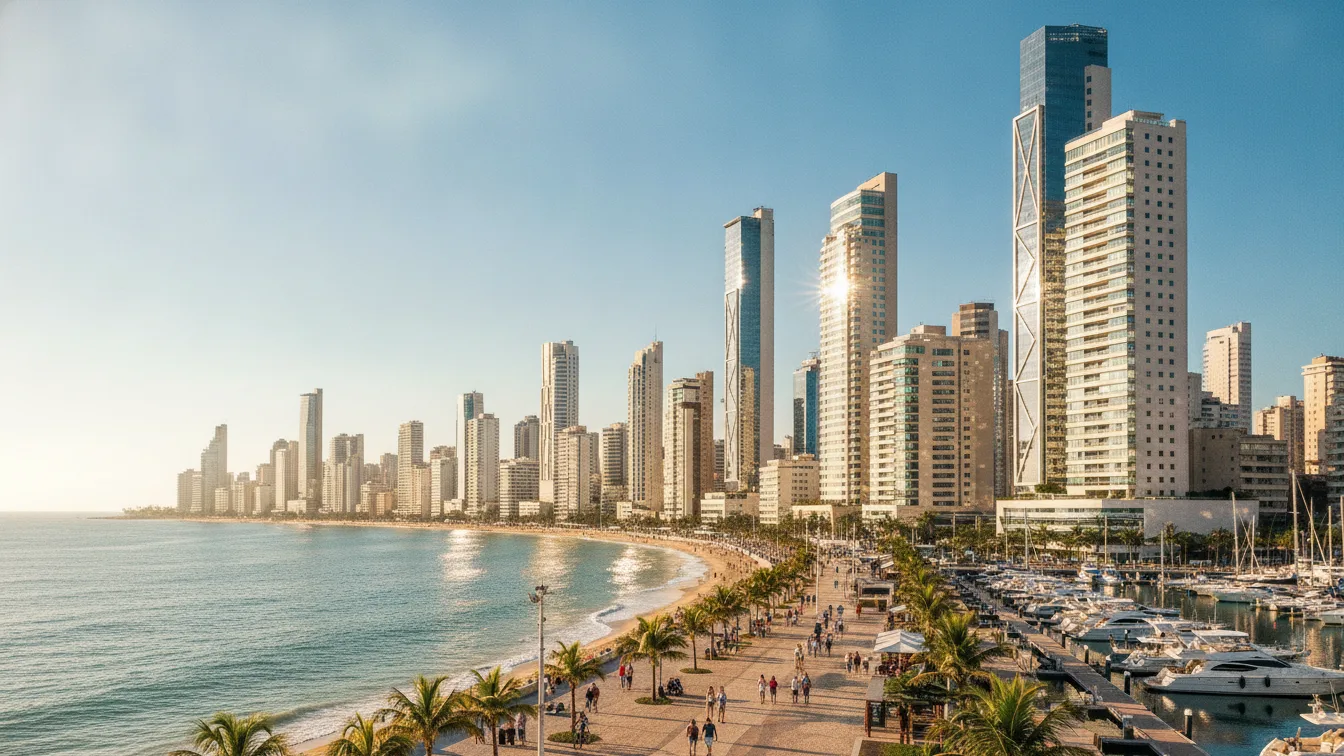
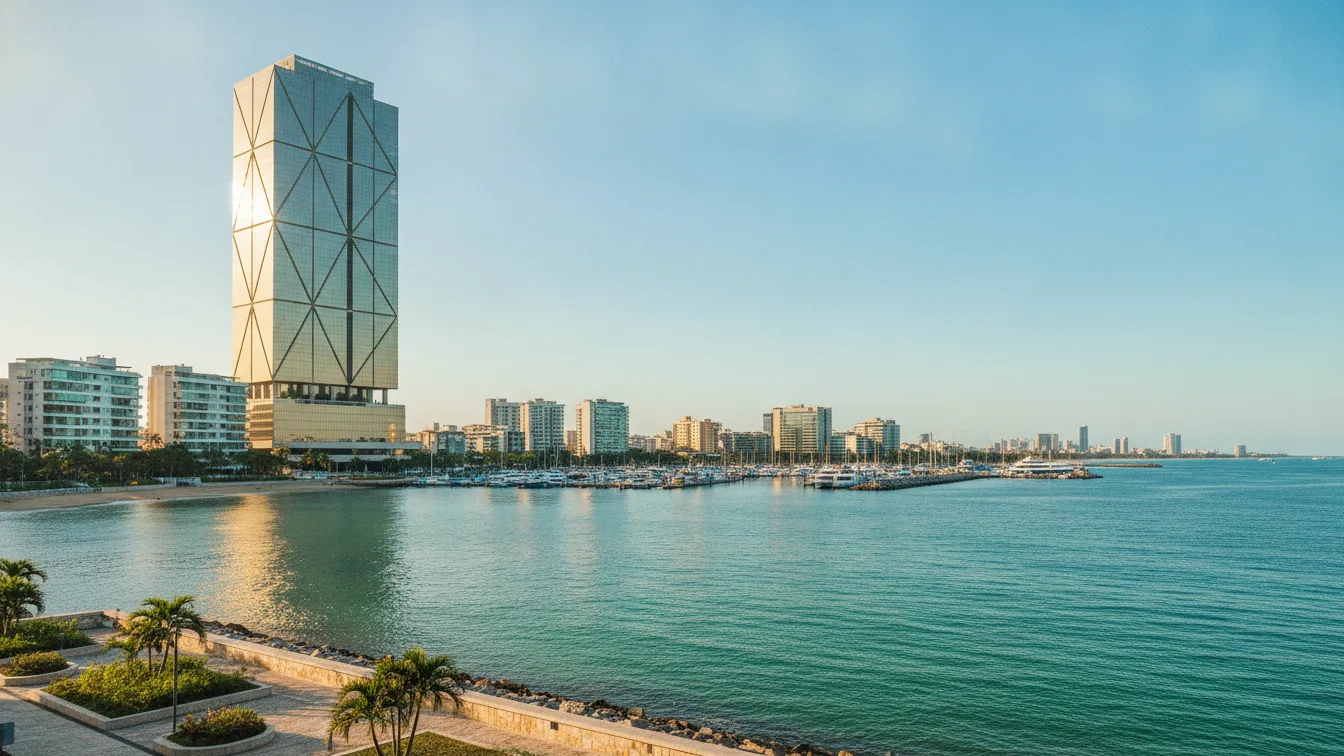
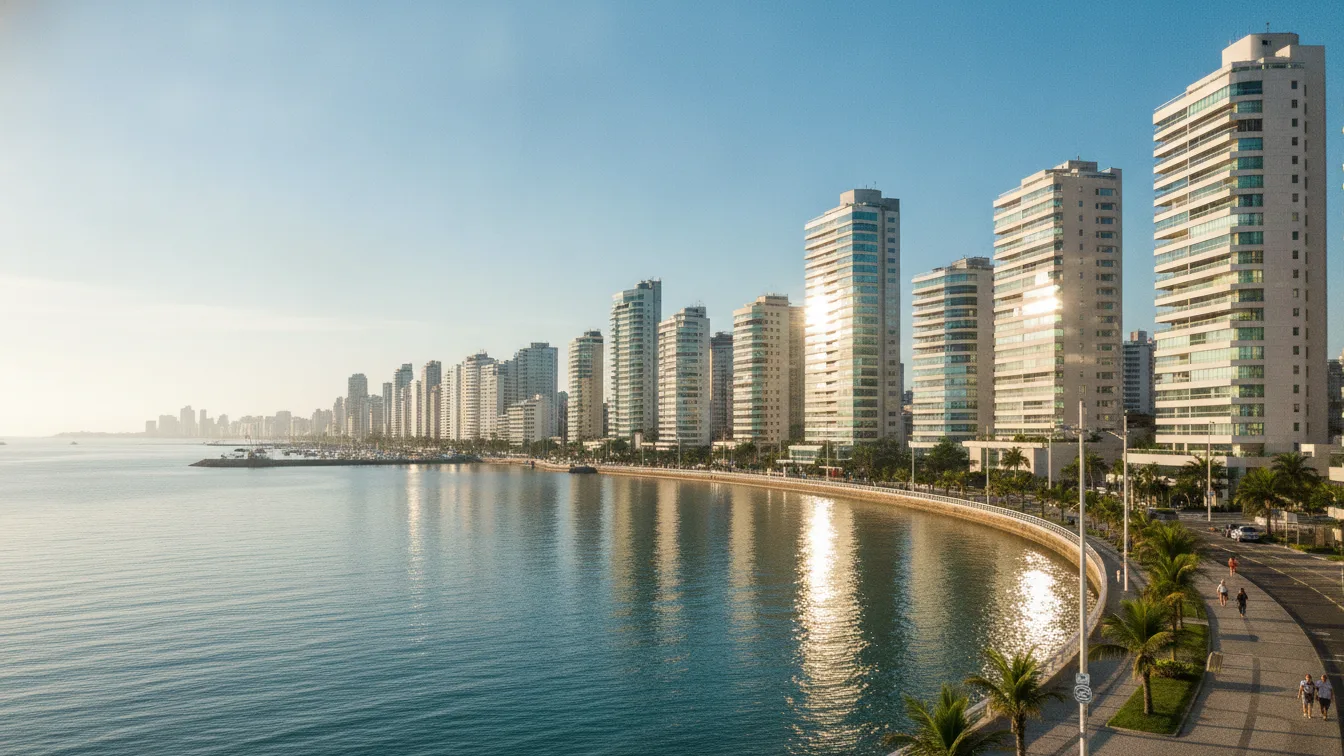
A beachfront property in Balneário Camboriú (average R$5.85 million across 46 active listings, R$33,115 per sqm as of June 2026 per Rocks integrated catalog) holds value independent of currency moves. If the real depreciates 30% against the dollar, your property still exists. You can rent it. You can occupy it. You can sell it to another foreign buyer who values the exact same climate and stability.
Equities react to macro shocks. Real estate hedges them.
The Visa Arbitrage
Brazil's Golden Visa (minimum investment typically R$2–3 million depending on structure) grants residency without the bureaucratic drag of traditional immigration. For Russian investors managing family relocation, this is operational clarity — not privilege.
You invest in a tangible asset. You get legal residency status. Your family accesses Brazilian schools, healthcare, and banking. No visa renewal cycles. No employer sponsorship requirements.
SC's stable political environment means your residency isn't hostage to shifting diplomatic winds. Unlike some jurisdictions, Brazil maintains neutral diplomatic positioning and consistent rule-of-law enforcement.
Daily Life at Premium Tiers
Flying from SC to São Paulo is 2 hours. To Argentina (Buenos Aires) is 4 hours. To Miami is 6 hours. It's not São Paulo's gravity, but it's not isolation either.
Water temperature ranges 18–26°C depending on season — suitable for year-round swimming, boating, and water sports. European investors compare this to the Mediterranean without the Mediterranean's weather chaos or political instability.
Schools follow Brazilian curriculum (internationally recognized through IB programs in premium districts). Healthcare in SC's private tier rivals most Western European standards — and costs significantly less than US equivalents.
Coffee is local. Cost of living for premium services is 40–50% below Moscow equivalents for equivalent quality.
The Unspoken Asset
Climate + stability + affordability + accessibility = not lifestyle. It's a repeatable operating model.
When you structure a premium purchase in SC properly (via Brazilian PJ for capital protection, or offshore + PJ for cross-border portfolio management), you're not buying a vacation property. You're deploying capital into a jurisdiction where:
- Your asset appreciates with coastal scarcity (limited beachfront inventory, 271 active luxury listings across 8 major municipalities as of June 2026)
- Your liability is legally separated from personal net worth
- Your residency status is independent of employment or political favor
- Your cost of operations is stable and transparent
The Patience Play
I learned to surf at 38. My instructor said patience — not aggression — determines success. The wave doesn't care about your schedule. You wait. You read the condition. You commit when timing aligns.
SC's market works the same way. Buy into climate and stability when prices are rational. Rent it. Live in it. Wait for scarcity to work in your favor.
Цифры не врут. The climate data is real. The crime statistics are real. The property inventory is real. If those fundamentals align with your capital preservation strategy, the geography matters more than the marketing.
Next Step
If you're evaluating SC as a hedge against macro uncertainty — not as a beach escape — it's worth a technical conversation. Portfolio structuring, visa mechanics, long-term holding models.
Если интересно — обсудим лично.