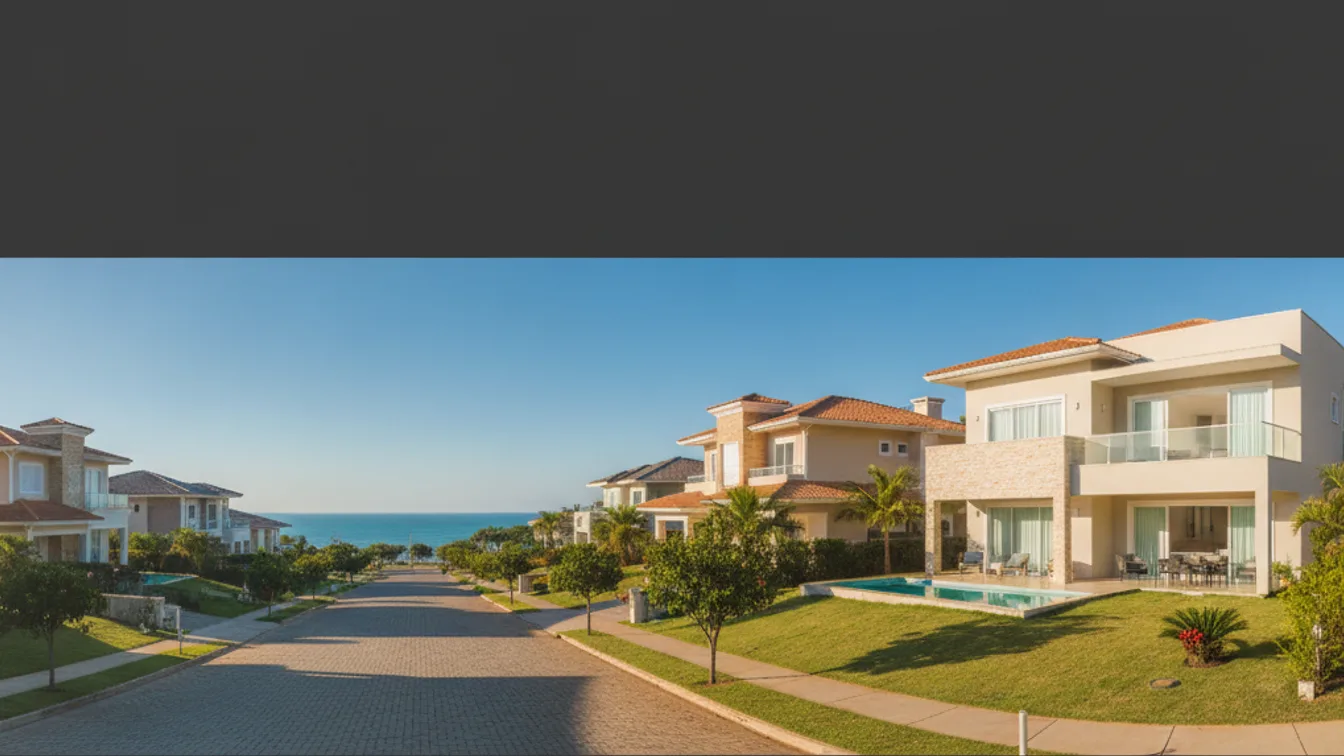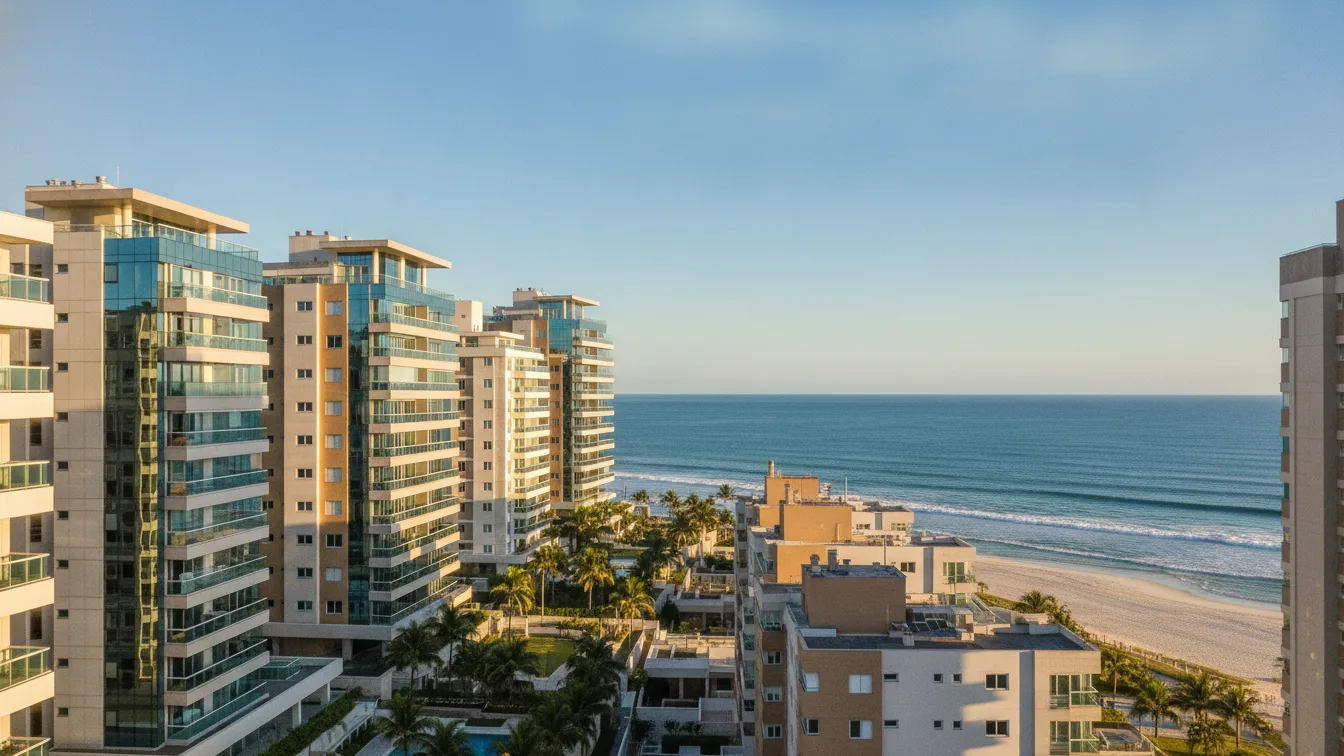


While a beachfront condo in Miami's Brickell corridor will run you north of USD $800,000, a comparable oceanfront unit in Balneário Camboriú — with arguably better views — can be financed directly through the developer starting at a fraction of that figure. The question I hear most from American investors isn't whether they can finance property in Brazil. It's how. Here's what the data actually shows.
Can Foreigners Obtain a Mortgage in Brazil?
Yes — though the process is considerably more structured than what you're accustomed to stateside. Brazilian banks require applicants to satisfy three key criteria: a valid CPF (Cadastro de Pessoas Físicas — Brazil's taxpayer identification number), Brazilian residency status (or at minimum, a non-resident bank account), and declared income in Brazil or verifiable international income through select mortgage brokers.
Loan Parameters
| Parameter | Typical Range |
|---|---|
| Loan-to-Value (LTV) | Up to 70% of the property's appraised value |
| Repayment Cap | 30–35% of declared monthly income |
| Setup Timeline | 3–6 months for non-residents to build credit |
| Income Documentation | Brazilian or international (via specialist brokers) |
A growing number of Brazilian mortgage brokers now accept international income as proof of affordability. The process involves opening a non-resident bank account, transferring funds through official channels, and gradually establishing a local credit score. That said, I always recommend factoring in BRL volatility when modelling your repayment obligations — currency risk is real and should never be dismissed. Rocks Investments partners with experienced brokers who specialise in structuring deals for foreign nationals.
Developer Financing: The Preferred Route for International Buyers
For most of the US-based investors I work with, developer financing represents the most accessible and flexible path to ownership. This is particularly true for off-plan acquisitions, where developers offer structured payment plans directly — bypassing the bureaucracy of traditional bank lending. I've seen this pattern before — in Manhattan, in Miami, and now here. The smartest buyers go where the financing terms give them leverage.
Requirements
- CPF (which Rocks Investments can help you obtain)
- Proof of income — domestic or international, depending on the developer
Typical Payment Structure
| Phase | Detail |
|---|---|
| Down Payment | 10–30% of total price, paid at contract signing |
| Construction Instalments | Monthly payments during the build phase, adjusted by CUB index |
| Reinforcement Payments | Periodic lump sums at predetermined milestones |
| Post-Delivery Balance | Remaining balance financed at IPCA + 0.75–1% monthly interest |
Payment schedules can often be tailored to your cash flow — particularly in incorporação projects, where the developer funds the build independently. In contrast, Preço de Custo (SPE) projects require stricter monthly contributions, as the collective buyer group funds construction together. For a detailed comparison, see our Incorporação vs Preço de Custo guide.
Understanding CUB: The Construction Cost Index
During construction, monthly payments are typically adjusted by the CUB index (Custo Unitário Básico) — a government-calculated rate reflecting current building material and labour costs across Brazil, published monthly by SINDUSCON. For example, if your agreed monthly payment is R$10,000 and the CUB increases by 0.3% in a given month, your payment adjusts to R$10,030. I advise clients to model a buffer of 5–10% over quoted instalments.
This correction mechanism often works out more favourably than bank interest rates. Cash buyers paying the full amount upfront are typically exempt from CUB correction — an advantage worth considering for those with available capital.
Extended Financing in Santa Catarina
Let me put this in perspective. Coastal developers in Porto Belo, Itapema, Balneário Camboriú, and Praia Brava frequently offer payment terms spanning 100 to 120 months (8–10 years). The structure typically follows two phases:
- Pre-delivery: Payments corrected by CUB
- Post-delivery: Remaining balance subject to IPCA + 0.75% to 1% monthly interest
This structure offers lower entry costs and extended affordability — making it particularly attractive for investment-grade acquisitions. In select cases, even ready-to-occupy properties can be financed directly with the developer, though these arrangements typically require a larger initial down payment. For US investors, I strongly advocate structuring ownership through an LLC or trust for both liability protection and tax efficiency.
Consórcios: Interest-Free Group Purchasing
Consórcios represent a uniquely Brazilian financing alternative — ideal for buyers who are planning ahead rather than purchasing immediately.
| Advantages | Considerations |
|---|---|
| No traditional interest charges (administrative fees only) | No control over timing unless you place a higher bid |
| Accessible for foreigners with a CPF | Not suitable for immediate acquisition needs |
| Predictable monthly payments | Requires patience and long-term planning |
You join a consortium group of buyers contributing fixed monthly instalments. Each month, one or more members are "contemplated" — selected by draw or competitive bid to receive full purchasing credit. Over the term, every member eventually receives their allocation. Consórcios are best used as a tool after residency is established.
How Rocks Investments Supports International Buyers
Our financing support covers CPF registration and non-resident bank account setup, connection with vetted mortgage brokers experienced with foreign buyers, developer payment plan negotiation, BACEN-compliant international capital transfer coordination, and post-acquisition property management — because if you're an absentee owner, professional management isn't optional, it's essential.
The arbitrage window won't stay open forever. If you're ready to explore your financing options, schedule a portfolio review with our team — we'll match the right financing structure to your investment timeline, risk profile, and residency goals.