
Why are Chinese investors buying 2-bedroom apartments in Praia Brava Itajaí instead of larger luxury units?
Two-bedroom units in Praia Brava, Itajaí currently average around R$3.2 million (~¥4.5M), positioning them within golden visa thresholds while delivering historically stable 4–6% annual rental yields. The segment appeals to multi-generational wealth builders who prioritize liquidity preservation, stable tenant demand, and family residency flexibility over maximum square footage. This reflects a shift toward disciplined portfolio construction rather than speculative trophy purchases.
The Quiet Rebalancing in Itajaí
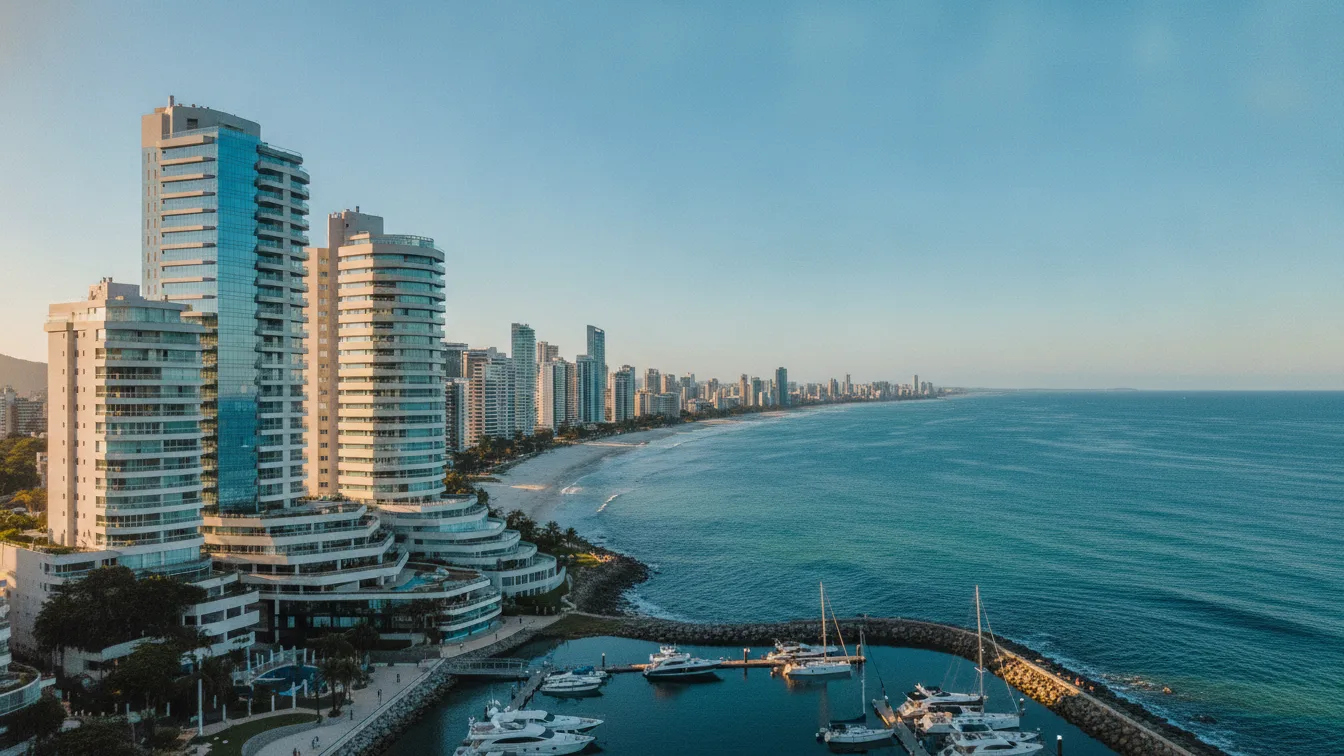
Let me look at the data. Itajaí currently shows an average listing price of R$3,199,000 (¥4,479,000) across 113 active properties, with per-square-metre pricing at R$22,104 (¥30,946)—approximately 25% lower than Balneário Camboriú's premium segment, yet positioned within golden visa eligibility thresholds (R$1M minimum). What's emerging is not a rush toward trophy penthouses, but measured interest in two-bedroom units positioned along Praia Brava's northern coastline.
This segment shift reflects something my experience in Hong Kong family offices taught me: investor discipline. Chinese capital no longer gravitates exclusively toward the largest footprint or the highest floor number. Instead, we're seeing guanxi-informed decisions—carefully calibrated choices that balance three competing priorities: visa pathway eligibility, rental yield sustainability, and multi-generational flexibility.
Why Two Bedrooms Align with Investor Logic
Two-bedroom apartments in Praia Brava occupy a strategic middle ground that three-suite units and studios cannot simultaneously serve. First, they satisfy golden visa minimums without requiring capital deployment beyond R$1.5–2M, preserving liquidity for portfolio diversification across emerging markets. A modest Praia Brava unit leaves dry powder for secondary positions in Porto Belo or education-anchored investments in Florianópolis.
Second, they unlock rental yields between 4–6% net annually—historically consistent for family-sized residential stock across Santa Catarina, according to data tracked within Rocks' integrated catalog. The mathematics favour this segment: smaller absolute rent per month, but higher occupancy stability and lower tenant-turnover volatility compared to one-bedroom investments or luxury penthouses that depend on holiday-rental seasonality.
Third, and most important for my clients building multi-generational wealth, a two-bedroom property serves three distinct life chapters. It functions as an income-generating asset for 5–8 years while you remain in Shanghai or Beijing. It then transitions into a family residence when your children or grandchildren attend university on the Brazilian coast—education proximity remains undervalued in most market analyses, yet it's a material driver of long-term satisfaction. Finally, it can be gifted as a completed asset that requires minimal structural decision-making by the next generation.
The Praia Brava Location Advantage
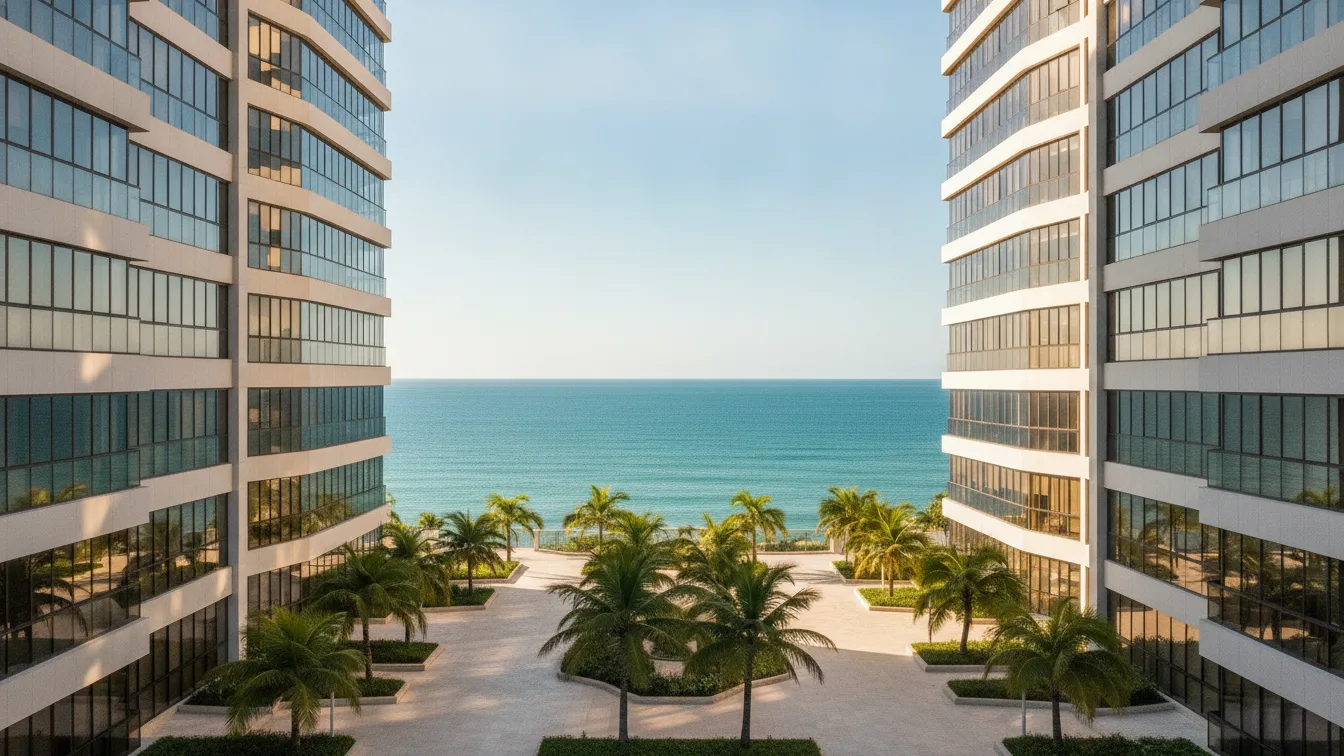
Praia Brava itself carries feng shui properties that shouldn't be dismissed. The northern exposure along Itajaí's coastline provides unobstructed ocean views with mountain backing inland—a classic configuration that buyers from coastal China immediately recognise as auspicious. The beach itself is quieter than Balneário Camboriú's central promenade, appealing to investors seeking the 8 (prosperity through stillness, not overcrowding).
Proximity to quality schools—particularly those within 15–20 minutes—adds a layer of residency appeal that pure yield calculations miss. My father always said: 买房子就像选茶叶,要看产地、年份和养护 (Choosing a property is like selecting tea—location, vintage, and maintenance matter). Praia Brava's position between Itajaí's expanding education corridor and Balneário Camboriú's retail infrastructure creates a "Goldilocks" location for families unwilling to accept either extreme.
What This Signals About Investor Appetite
The rising buyer attention toward Praia Brava two-bedroom units suggests confidence in Brazilian real estate as a multi-decade play, not a speculative currency bet. It signals that sophisticated Chinese investors—those building offices in São Paulo, anchoring education assets, or diversifying away from domestic property volatility—see Santa Catarina residential stock as a stable, long-duration hedge. The segment also indicates maturation: investors are moving beyond trophy purchases toward strategic portfolio construction.
This is patient capital. Trust building takes time (信任需要时间)—much like a good tea ceremony, the best results emerge when you resist rushing the process.
Closing Reflection
If you're considering a foothold in Southern Brazil, the question isn't whether Praia Brava is expensive or cheap—it's whether the unit you're evaluating serves your vision for the next fifteen years. Will it house your grandchildren? Will it generate reliable income while you build connections in São Paulo? Will it position you for residency flexibility without overcommitting capital? Two-bedroom logic succeeds only when it answers all three.