
I was sitting with a client from London last week, walking him through the latest IBGE numbers, and I watched his expression shift from polite interest to genuine disbelief. He'd been looking at Portugal, Dubai, even Bali — but he'd never seen migration data like this from anywhere. Honestly? Neither had I when I first moved here. But the numbers just keep getting more compelling.
Between 2017 and 2022, 503,580 people moved to Santa Catarina while only 149,230 left. That's a net gain of 354,350 residents — giving the state the highest positive migration balance in Brazil, according to IBGE data. For context, the next closest state, Goiás, managed +186,800. Santa Catarina nearly doubled it.
Look, I'll be straight with you — population growth is one of the most reliable leading indicators for sustained real estate demand. It's not flashy, it's not speculative. It's just maths. More people need more homes, and when the inflow is this strong, the investment thesis practically writes itself.
The States People Are Leaving
What makes Santa Catarina's numbers even more striking is what's happening elsewhere. São Paulo — Brazil's economic engine — saw 736,380 arrivals but 825,958 departures over the same period, producing a net loss of 89,578 people. Rio de Janeiro fared even worse, losing a net 165,360 residents. Rising costs, congestion, and safety concerns are pushing people out of Brazil's two biggest metropolitan areas. And a huge chunk of them are landing right here in Santa Catarina.
Mato Grosso and Minas Gerais posted positive balances too — around +103,900 and +106,500 respectively — but nothing comes close to SC's trajectory. This isn't theory — I live here, and I can feel the growth every time I drive through a neighbourhood that was sleepy five years ago and is now buzzing with construction cranes.
Florianópolis: Where It All Converges
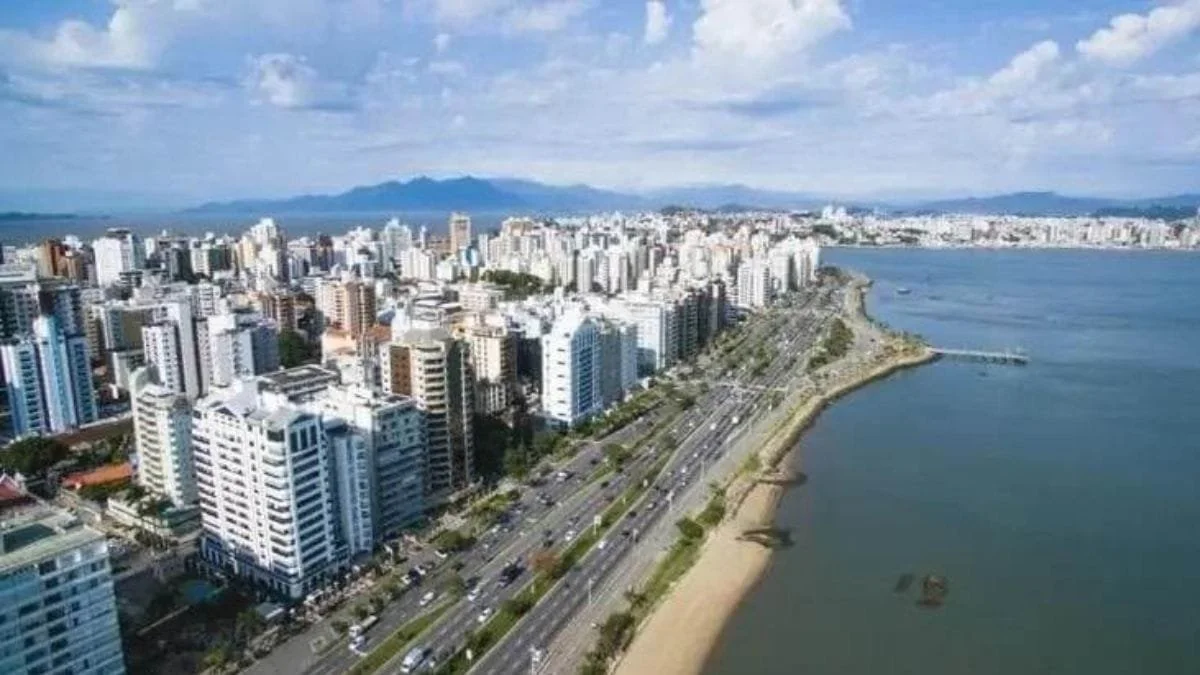
Florianópolis — my home turf — welcomed over 84,600 new residents between 2017 and 2022. That represents 15.7% of the city's entire 2022 population. Think about that for a moment: roughly one in six people living here arrived within a five-year window. Today, 39.1% of all Floripa residents were born in another Brazilian state, well above the statewide average of 24.4%.
You can see it in the fabric of the city. The restaurant scene has exploded. International schools are expanding. Co-working spaces are everywhere, fuelled by Floripa's reputation as "Silicon Island" and the tech migration that keeps accelerating. The city feels cosmopolitan in a way that would have seemed impossible when I arrived over a decade ago with my schoolboy Portuguese and a tourist visa.
The Coastal Corridor Is Absorbing Demand Fast
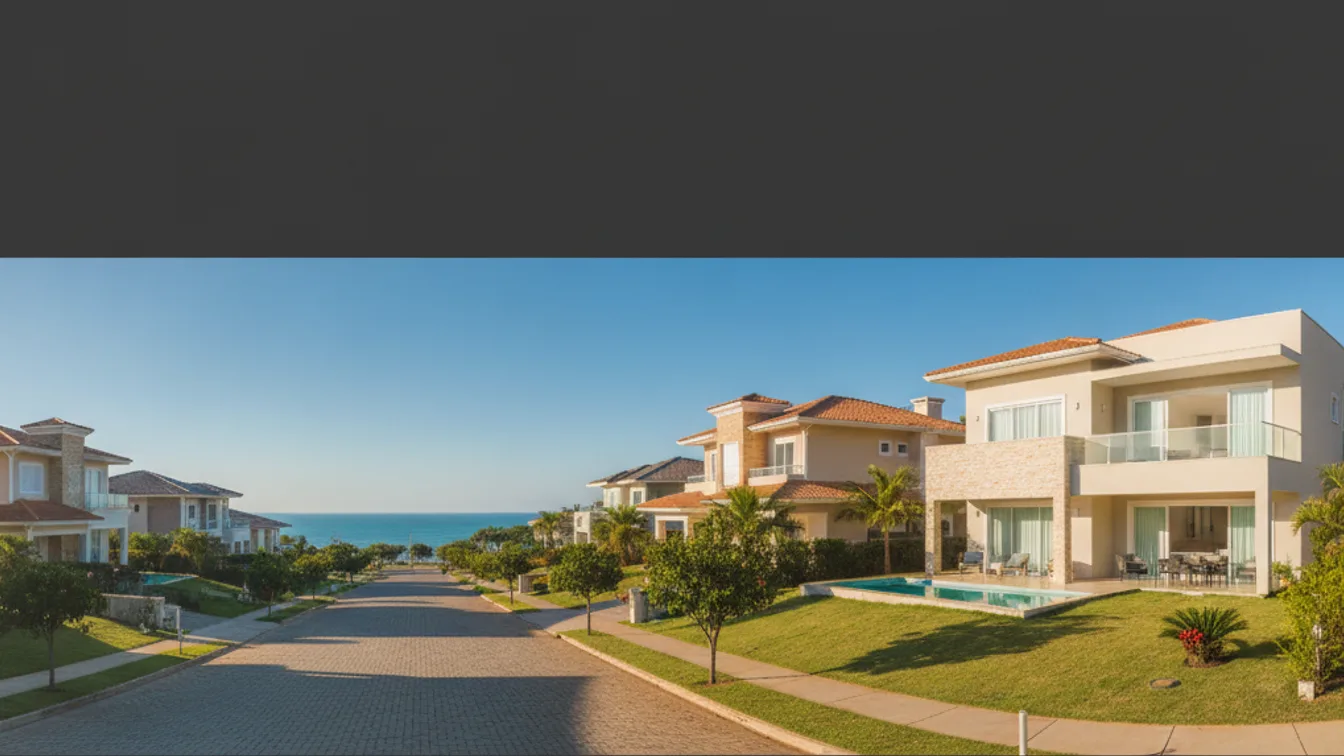
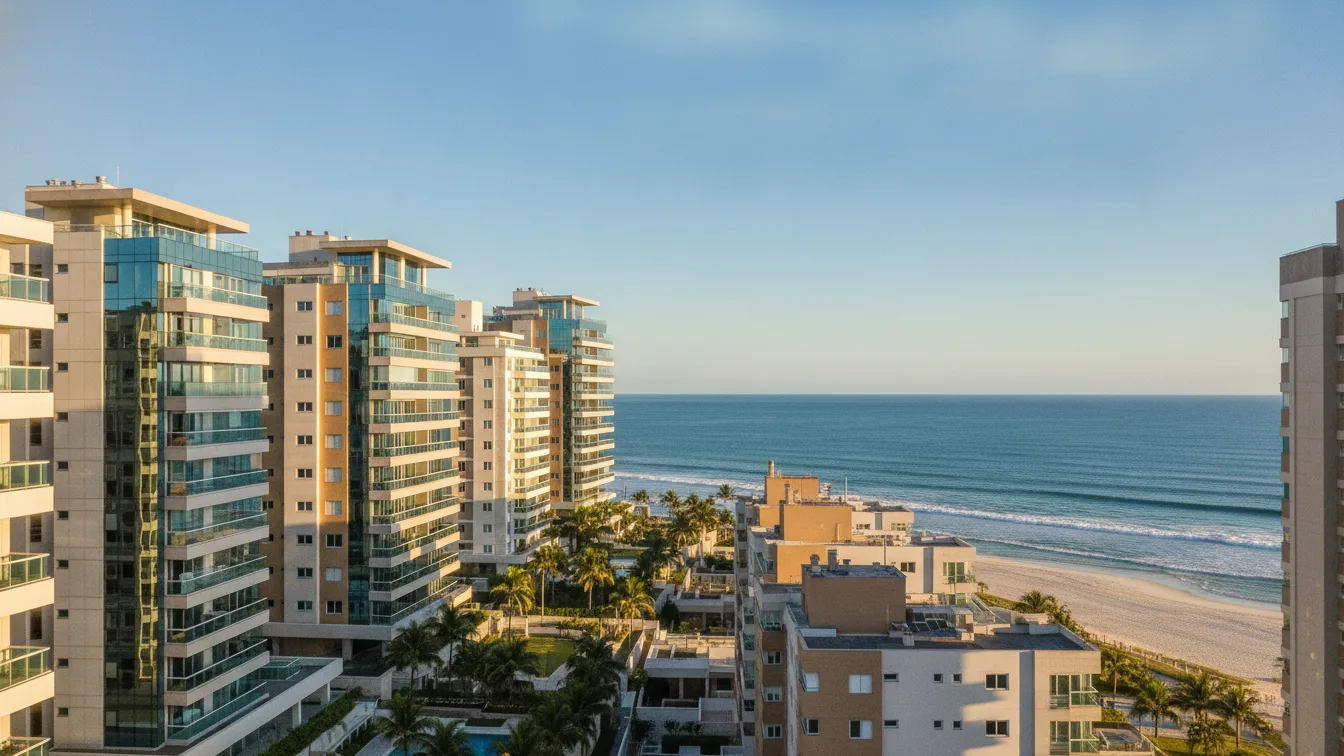
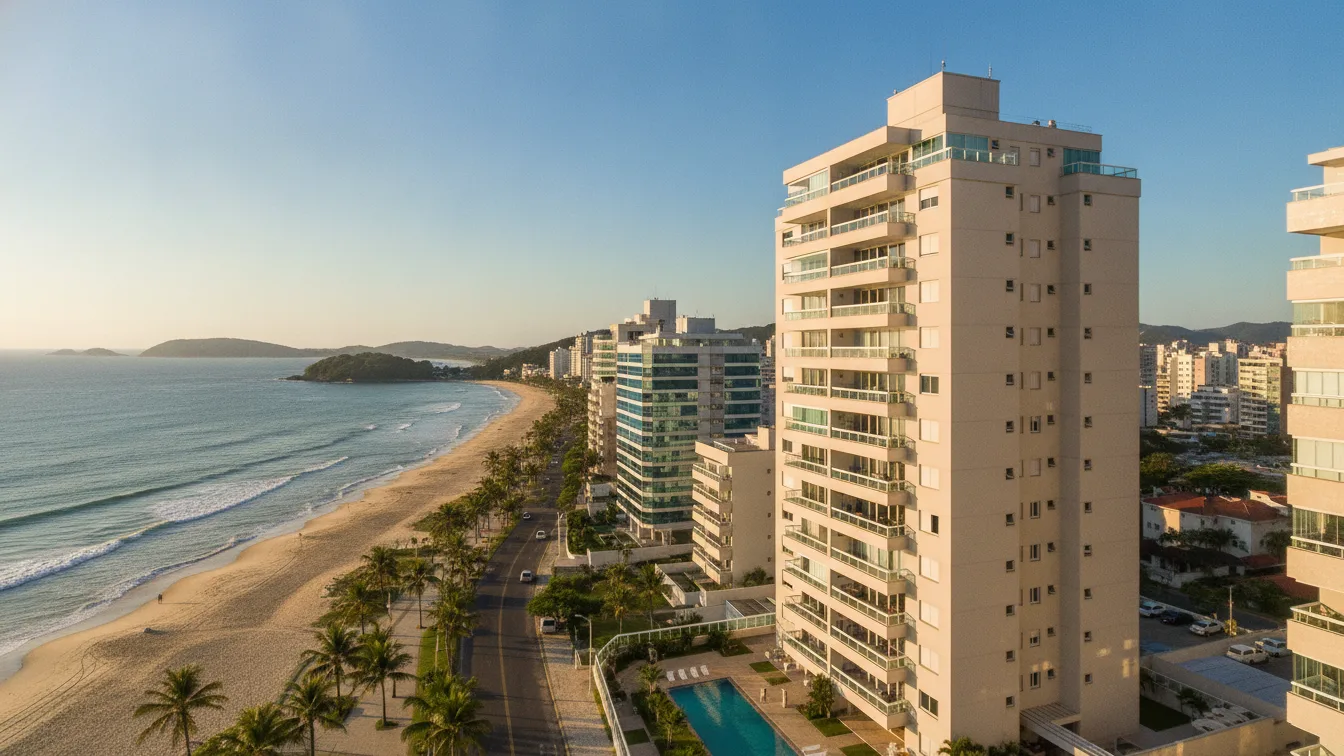
The migration trend stretches well beyond Florianópolis. Several coastal municipalities along the SC corridor are absorbing new residents at even higher proportional rates. Porto Belo, for example, now has 30.1% of its population born out of state. Itapoá sits at 32.3%, and Balneário Gaivota at 32.4%. Balneário Camboriú — which I've long considered Latin America's answer to Dubai Marina at a fraction of the price — registers 21.8%.
These are exactly the same municipalities where real estate activity has been most intense. The correlation between population inflow and property market performance isn't subtle — it's direct and measurable.
The International Factor
Here's something that doesn't get enough attention: Santa Catarina's foreign-born population has increased more than sixfold in just over a decade, from 11,671 in 2010 to 72,793 in 2022, according to IBGE. In Florianópolis alone, international residents went from 1.1% to 2.09% of the population. The largest groups include Venezuelans (29.22% of the state's foreign-born population — approximately 26,900 people), Argentinians (14.51%), Dominicans (4.23%), Americans (3.96%), and Portuguese (3.87%).
This international community creates demand beyond housing — it drives the infrastructure that makes a place genuinely liveable for foreigners. Bilingual healthcare, international schooling, diverse dining. I've been through this myself, and I can tell you the difference between Floripa in 2012 and Floripa today is night and day for an expat.
Why This Matters for Your Investment
The mechanics are straightforward. When more people arrive than leave, housing demand rises — supporting both rental yields and capital appreciation. Infrastructure investment follows the population, improving quality of life and attracting further migration. Commercial activity grows, creating employment. Rental markets tighten, particularly in desirable coastal locations where geography naturally constrains supply.
Santa Catarina combines this powerful net migration with a high quality of life (HDI of 0.813) and relative affordability compared to São Paulo and Rio. That structural tailwind has historically sustained property market growth, and I see no reason for it to slow down.
I've bet my life and career on this state. I moved here, built a business here, invested here. The numbers don't do it justice — you need to see it. But if you want to start with the data before you book the flight, drop me a message. No pitch, just a conversation about what's actually happening on the ground.